Standing water extraction
Truck-mounted or portable extraction removes bulk water from rooms, garages, and low spots, then we follow with detail extraction at edges and transitions.
Rapid extraction, drying, and cleanup after leaks or flooding, with clear next steps to protect floors, walls, and belongings.
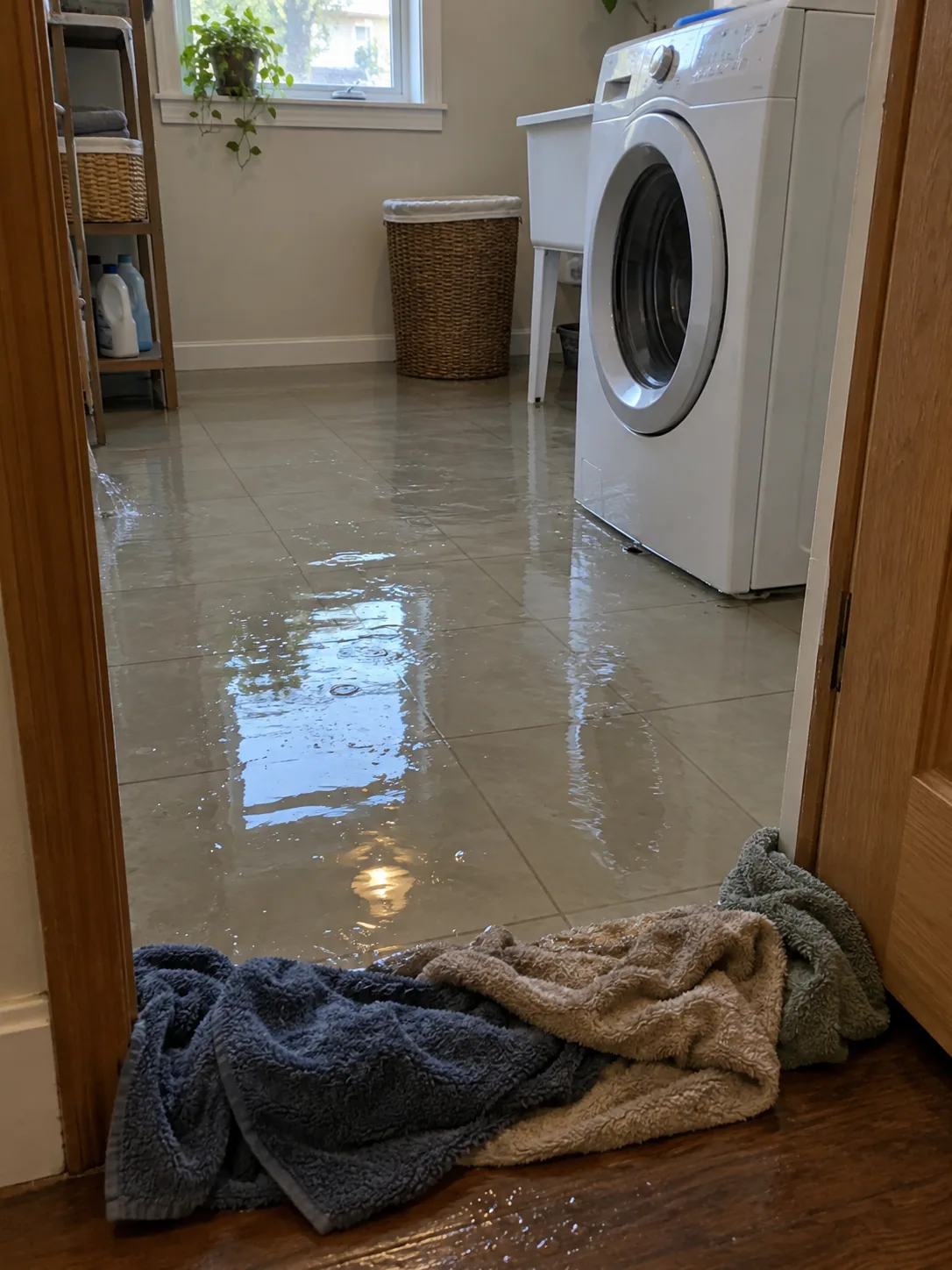
When water is still in the building, every hour matters. Water removal Dallas service is about getting the bulk water out quickly, then setting up a controlled drying plan so moisture does not migrate into drywall, cabinets, and flooring layers.
Dallas Water Damage responds across Dallas, TX with equipment built for high-volume extraction and structural drying. We start by finding where the water traveled—not just where it is visible—then remove standing water, pull out trapped water in carpets and pads when possible, and begin drying and dehumidification. If materials are too saturated or contaminated to save safely, we explain why and document what should be removed.
Dallas has a lot of slab-on-grade construction, and water can hide at wall bases, under floating floors, and in built-ins. Our approach focuses on measurable drying: we track moisture levels and adjust equipment and containment so the space dries evenly without creating new issues like warped flooring or lingering odors.
If you need a broader plan that includes restoration, your starting point is still water removal and drying. Many customers also coordinate the next phase through Water Damage Restoration.
This is one part of our wider water damage restoration in Dallas service, covering homes and commercial property across the Dallas and North Texas area.
Truck-mounted or portable extraction removes bulk water from rooms, garages, and low spots, then we follow with detail extraction at edges and transitions.
Air movers and commercial dehumidifiers are positioned based on airflow paths and material saturation, then adjusted as readings change.
We check moisture in drywall, trim, flooring systems, and framing so the drying plan matches the actual wet areas, not guesses.
If wet drywall, insulation, or swollen baseboards cannot dry in place, we outline a limited removal plan that helps the structure dry faster.
Clean-water losses are handled differently than contaminated water. When conditions call for it, we use appropriate cleaning and antimicrobial steps.
You get a written scope of what we did, what's still at risk, and what the property needs next, including timing for re-entry and drying checks.
A successful water removal job is rarely just vacuuming up what you can see. In Dallas, we often find moisture in predictable places that keep causing problems if they are skipped.
Common trouble spots include:
We use moisture meters and thermal imaging as a screening tool, then confirm with direct readings. If drying in place is realistic, we set airflow to the right surfaces and use dehumidification to pull moisture out of the air so materials can release water. If drying in place is not realistic, we explain the smallest amount of removal that lets the structure dry and reduces the chance of odor or microbial growth.
If the water came from outside flooding or you suspect contamination, we treat it differently than a clean supply-line leak. The safety plan changes, the cleaning steps change, and some porous materials may need to be discarded.
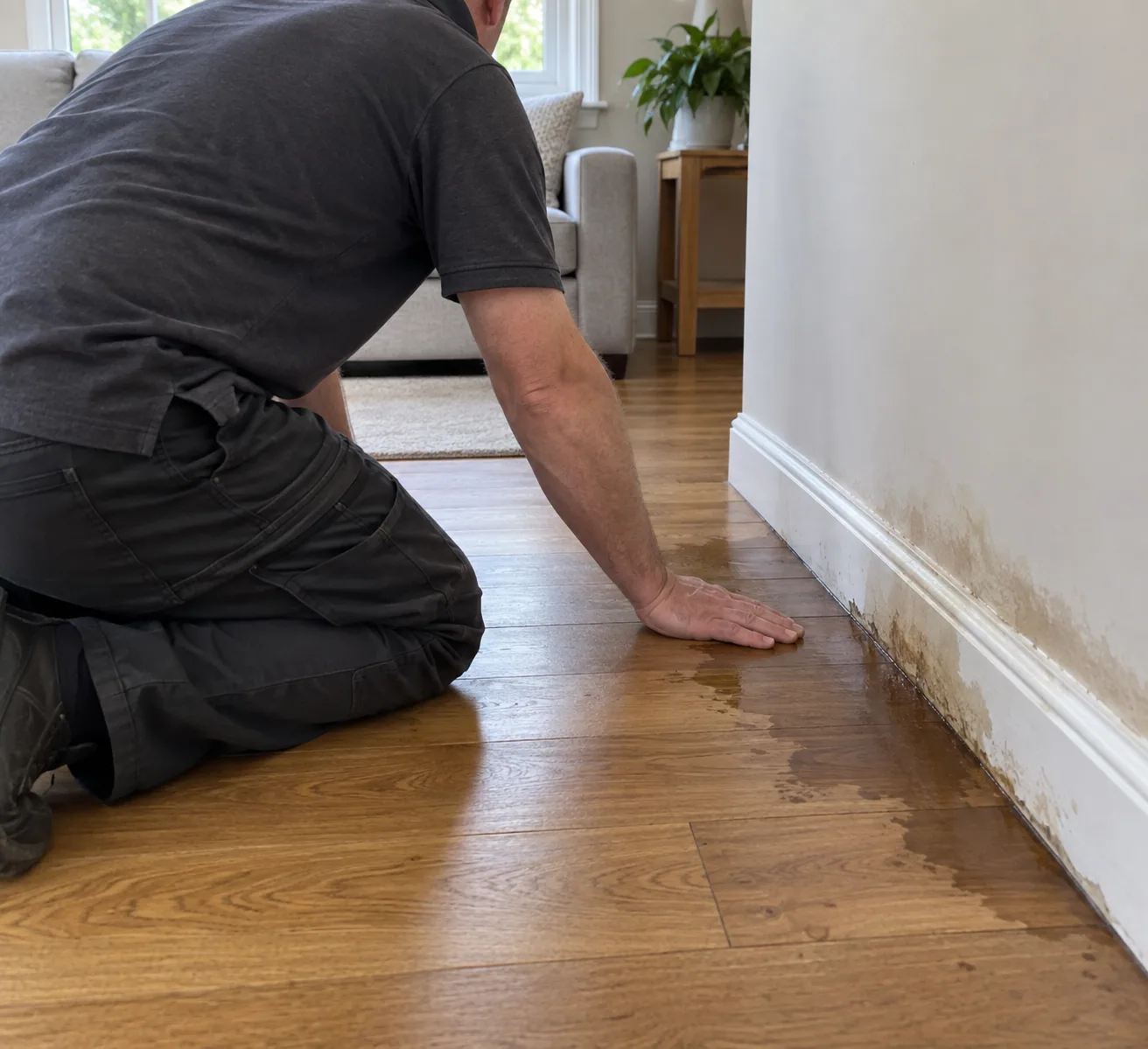
A sequential workflow traces hidden moisture, removes bulk water, and verifies drying before restoration moves forward.
We confirm what happened—leak, overflow, or storm entry—what areas are affected, and any immediate safety concerns like ceiling bulges or electrical risks.
We inspect wet materials and trace likely pathways, then establish a drying plan based on readings, room layout, and affected material types.
We remove standing water, extract carpets as appropriate, and perform initial cleaning so drying equipment can work efficiently.
Air movers and dehumidifiers are placed for controlled airflow. If needed, we set containment to manage humidity and protect unaffected rooms.
Drying is not set-and-forget. We re-check moisture levels and adjust equipment and placement so materials dry evenly and on schedule.
We confirm drying goals are met for the affected materials and outline what is ready for rebuild, cleaning, or other restoration work.
Water removal in Dallas typically ranges from about $500 to $3,500+ depending on how much water is present, how many rooms are affected, and how many days of drying are needed. A small, clean-water issue in one room is often at the low end, while multi-room losses that require multiple dehumidifiers, monitoring visits, and some material removal can move higher.
Final cost depends on water category, square footage and material types—carpet, hardwood, or tile—access, how far water traveled, and whether controlled demolition is required to dry the structure. The exact scope and price are confirmed after an on-site inspection and moisture mapping.
Start water removal as soon as it's safe because moisture spreads into drywall edges, flooring layers, and cabinets quickly. In Dallas heat and humidity, indoor moisture can stay elevated unless extraction and dehumidification begin promptly. If power is compromised or water is near outlets, wait for a safe assessment before entering wet areas.
Sometimes, yes, but it depends on the material, how saturated it is, and what type of water it is. We base the decision on moisture readings and whether air can move across the wet surfaces; if wet insulation or swollen materials are trapped behind a finished surface, limited removal may be the fastest and safest way to dry the structure.
Many residential drying situations take about 3 to 5 days, but the timeline changes with how far water traveled, humidity conditions, and what materials are wet. Dense materials and layered assemblies often take longer than a simple surface wetting. We monitor moisture levels and adjust equipment rather than guessing a finish date up front.
If it's safe, stop the water source, avoid using electrical outlets in wet areas, and move small valuables off wet floors. You can blot or extract with a wet vacuum for minor water, but avoid pulling up flooring or cutting drywall unless you know what's behind it. Keeping doors closed in affected rooms can also help limit humidity spread until drying equipment is set.
Yes, contaminated water requires stricter cleaning and material handling than a clean supply-line leak. For storm water or sewage, porous items like carpet pad and insulation often cannot be safely saved, and the job includes more intensive cleaning and disinfection steps. We explain the category we're treating and what that means for safety and salvageability.
Yes, we document moisture conditions, affected materials, and the drying setup so you have a clear record of what was found and what work was performed. Coverage varies by policy and cause of loss, but good documentation helps support the scope of water removal and drying that was required.
Tell us what happened and what areas are wet. We'll inspect the affected rooms, explain what can be dried in place, and lay out a clear plan to get the structure dry and ready for next steps.