Immediate containment
We locate and help you isolate the source (when accessible), protect unaffected areas, and limit tracking and cross-contamination during extraction and demo.
Water moves fast. Our crew responds quickly in Dallas to stop the source, dry the structure, document what happened, and build a clear plan to get your home or business back to normal.
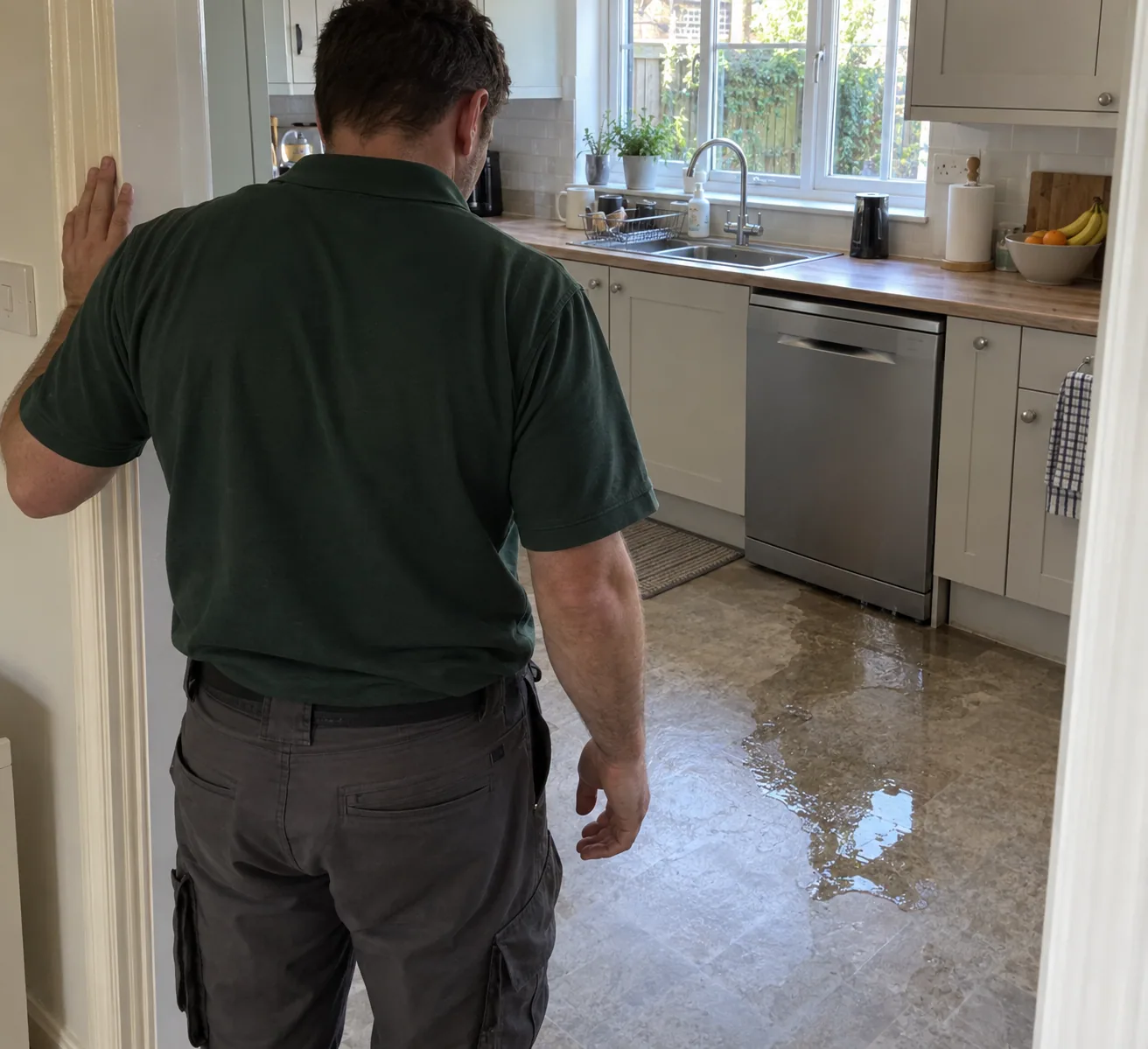
If you are dealing with water damage Dallas Texas homeowners and property managers see every day, the first goal is simple: stop further damage. After a supply line break, an overflowing tub, a water heater leak, or storm-driven water intrusion, moisture can spread under flooring, behind baseboards, and into wall cavities before it is visible.
Dallas Water Damage handles water damage restoration for houses, condos, apartments, and commercial spaces across Dallas (75201 and nearby). We focus on fast mitigation, careful drying, and a documented scope so repairs are based on measurements, not guesses. If you are comparing providers, start with the essentials: rapid response, trained technicians, proper drying equipment, and a process that includes moisture mapping and follow-up checks.
For a broader overview of our restoration work beyond this service, Water Damage Restoration is a good starting point.
We locate and help you isolate the source (when accessible), protect unaffected areas, and limit tracking and cross-contamination during extraction and demo.
Drying decisions should be based on readings from meters and documented moisture maps. That is how you avoid leaving wet pockets in drywall, cabinetry toe-kicks, and subfloors.
Air movers, dehumidifiers, and targeted airflow strategies are set up around the materials that actually got wet, then adjusted as conditions change.
Photos, readings, and a written scope help keep everyone aligned, especially when a claim is involved or multiple units share walls or ceilings.
After the structure is dry, we outline what needs to be removed, rebuilt, and finished so you can make informed choices on timing and budget.
Water rarely stays where it lands. In many Dallas properties, common trouble spots include:
Local building patterns matter. A high-rise unit near Downtown Dallas can have shared chases and stacked plumbing, which makes tracing the source and protecting adjacent units a priority. In neighborhoods with older housing stock and remodel layers, we also watch for mixed materials—older plaster patches next to newer drywall—because they dry differently and can change what needs to be removed.
If you are unsure whether your situation qualifies as a water damage emergency, a good rule is this: if water is actively moving, pooling, or reaching porous materials such as drywall, insulation, or carpet pad, it is time for professional mitigation.
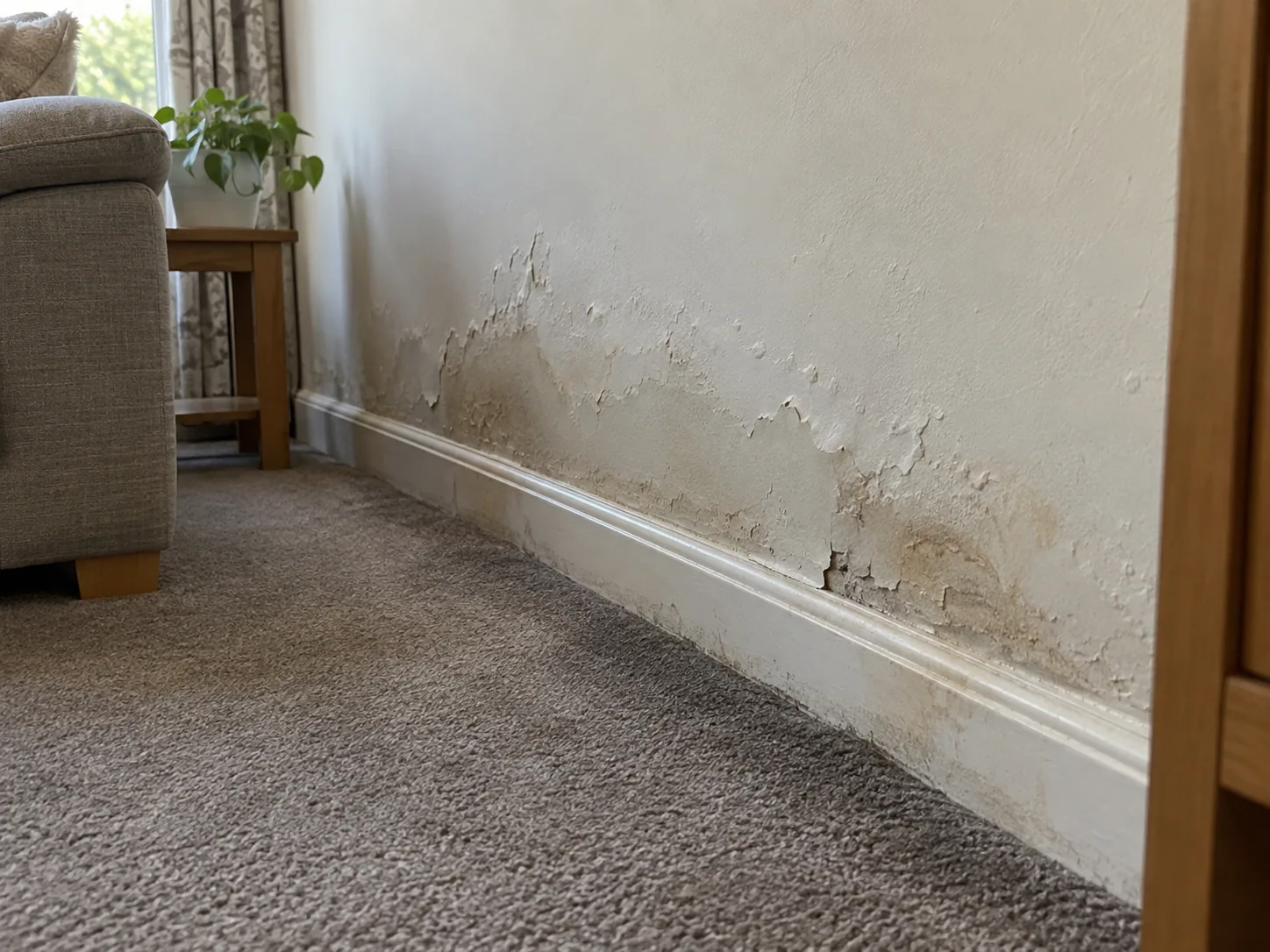
A measured workflow limits further damage, targets hidden moisture, and confirms drying progress before repairs begin.
We assess affected areas, identify likely water category (clean, gray, or black), and flag safety issues such as sagging ceilings, wet electrical, or hidden moisture near HVAC returns.
We extract standing water, remove saturated materials when needed—for example, carpet pad or swollen baseboards—and set up containment when there is risk of contamination.
Air movers and dehumidifiers are placed based on moisture mapping. When the situation calls for it, we use targeted drying methods for wall cavities and subfloor systems.
Drying is not a set-it-and-forget-it job. We re-check readings, adjust airflow, and verify drying progress so materials reach an appropriate dry standard before rebuild.
Once drying goals are met, we provide a clear scope for repairs and finishing work so you can move forward with confidence.
Water damage restoration in Dallas typically ranges from about $1,500 to $6,000 for a single-room loss with drying, while larger multi-room events or situations requiring significant material removal can run $8,000 to $25,000+. The biggest cost drivers are how long water sat, how far it traveled—including behind walls and under floors—water category, equipment days needed, and how much demo and rebuild is required. The exact cost is confirmed after an on-site inspection and moisture mapping.
If you have water damage in Dallas and want to limit repair scope, the best next step is an on-site assessment with a documented drying plan and a written scope of work.
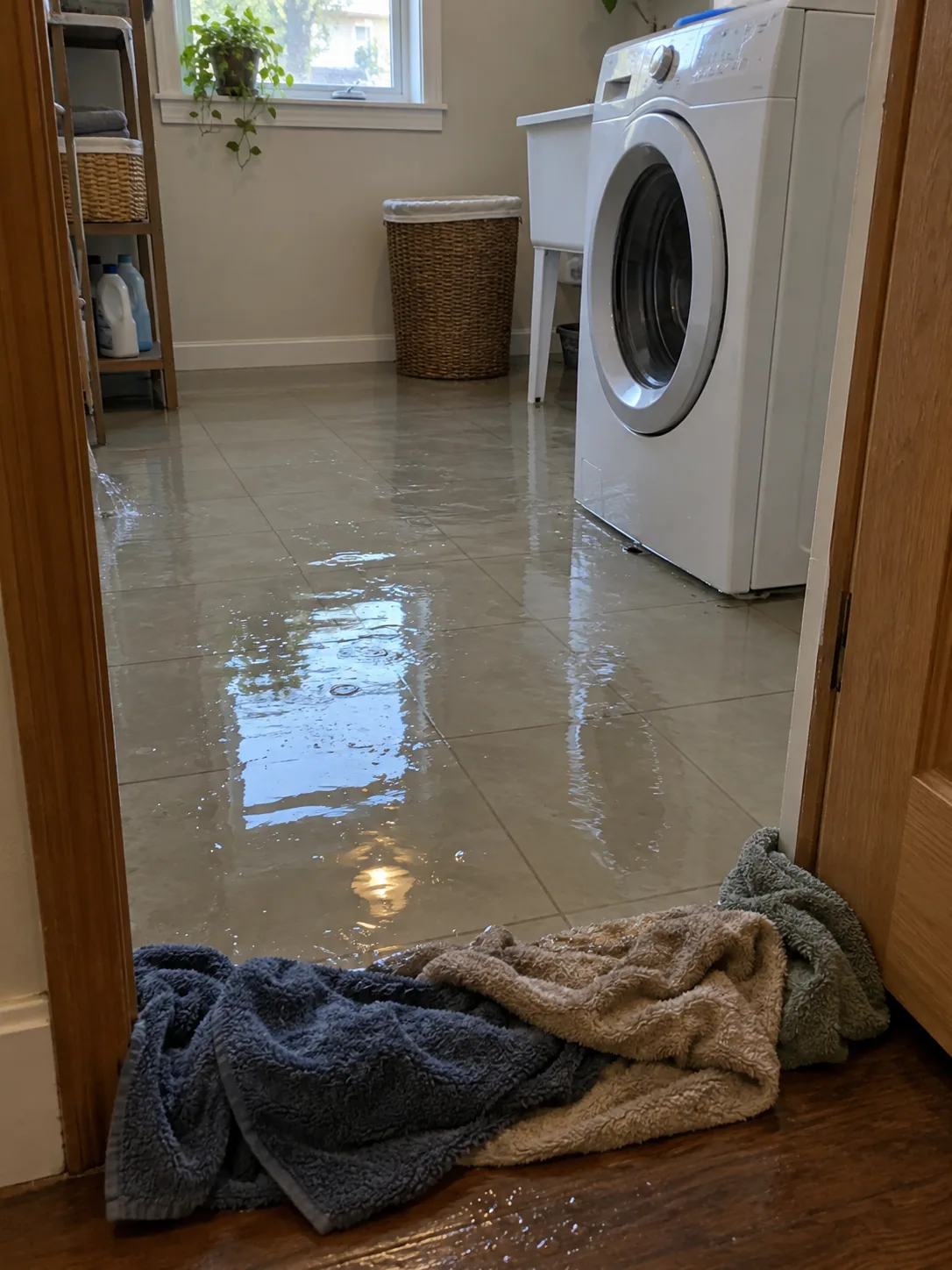
You should start mitigation immediately because moisture can move into drywall, subfloors, and cabinetry quickly, even when the surface looks dry. If you cannot stop the source or water is reaching porous materials, getting a professional drying plan in place right away helps limit how much has to be removed and rebuilt.
Sometimes it can be dried in place, but it depends on the flooring type, the amount of water, how long it sat, and whether moisture is trapped under an underlayment or vapor barrier. We decide based on moisture readings and how the floor is responding, not by appearance, because cupping and swelling often show up after the initial event.
Clean water is typically from a potable supply line, while contaminated water (gray or black) can contain bacteria or sewage and often requires stricter containment, removal of porous materials, and more intensive cleaning. Category affects both the safety plan and the scope, which is why identifying the source is part of the first inspection.
Not always, but you may need to avoid certain rooms during extraction, demolition, or when drying equipment is running. If the affected area includes a kitchen, only bathroom, or a large portion of the living space, we will talk through practical options for access, noise, and air quality during the drying period.
If it is safe, shut off the water source, avoid wet electrical areas, and move small valuables or rugs out of standing water. If you can, take a few photos for documentation and do not run HVAC if you suspect contaminated water or significant moisture near returns, because it can spread odors and particulates.
A structure is considered dry when moisture readings in affected materials return to an appropriate dry standard relative to unaffected areas, and those readings remain stable on follow-up checks. We use moisture meters and documented moisture mapping so the drying decision is based on measurements in walls, floors, and other assemblies, not just touch tests.
Tell us what happened and where the water is. We will walk you through next steps, inspect the affected areas, and provide a written plan to dry, clean, and repair the property.