Inspection that targets the cause
We look beyond the visible growth and check likely moisture pathways: around supply lines, drain lines, exterior penetrations, and HVAC condensate components.
If you smell a musty odor, see dark spotting, or have a recent leak, get a clear plan fast. Our crew inspects, sets containment, removes contaminated materials when needed, and cleans and treats affected areas for safer indoor air.
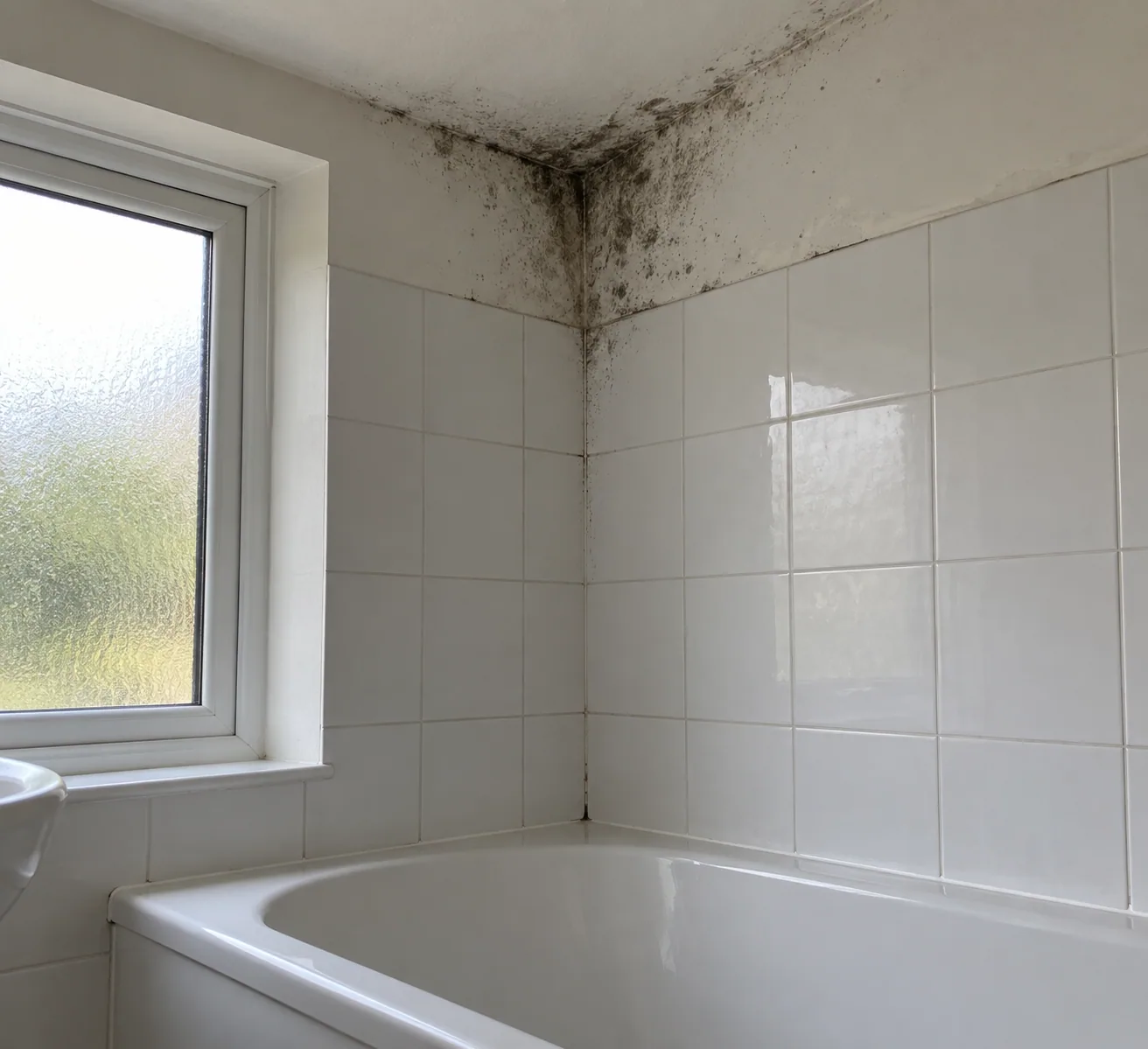
Black mold concerns usually start the same way: a persistent musty smell, dark staining around a supply vent, bubbling paint, or spots along baseboards after a plumbing or HVAC issue. What matters most is not the color. It is whether mold is active, how far it has spread, and whether the area can be cleaned safely without sending spores into the rest of the building.
Dallas Water Damage handles Dallas black mold removal for homes and commercial spaces in Dallas, TX. We focus on doing the work in the right order: inspection and moisture checks first, containment and filtration next, then removal and cleaning, followed by final verification.
In Dallas, mold problems often follow roof leaks, AC condensate line backups, overflowing drain pans, and plumbing failures inside walls or under slab-on-grade foundations. If the water source is still active, remediation will not hold. The first goal is always to identify the moisture driver and stop it so the cleanup is not temporary.
This is one part of our wider water damage restoration in Dallas service, covering homes and commercial property across the Dallas and North Texas area.
Proper remediation is controlled work, not surface wipe-downs. We use jobsite controls that are common in professional mold remediation:
If you are also dealing with an active leak or recent flooding, coordinating remediation with water damage restoration helps keep the scope organized and prevents repeated tear-out.
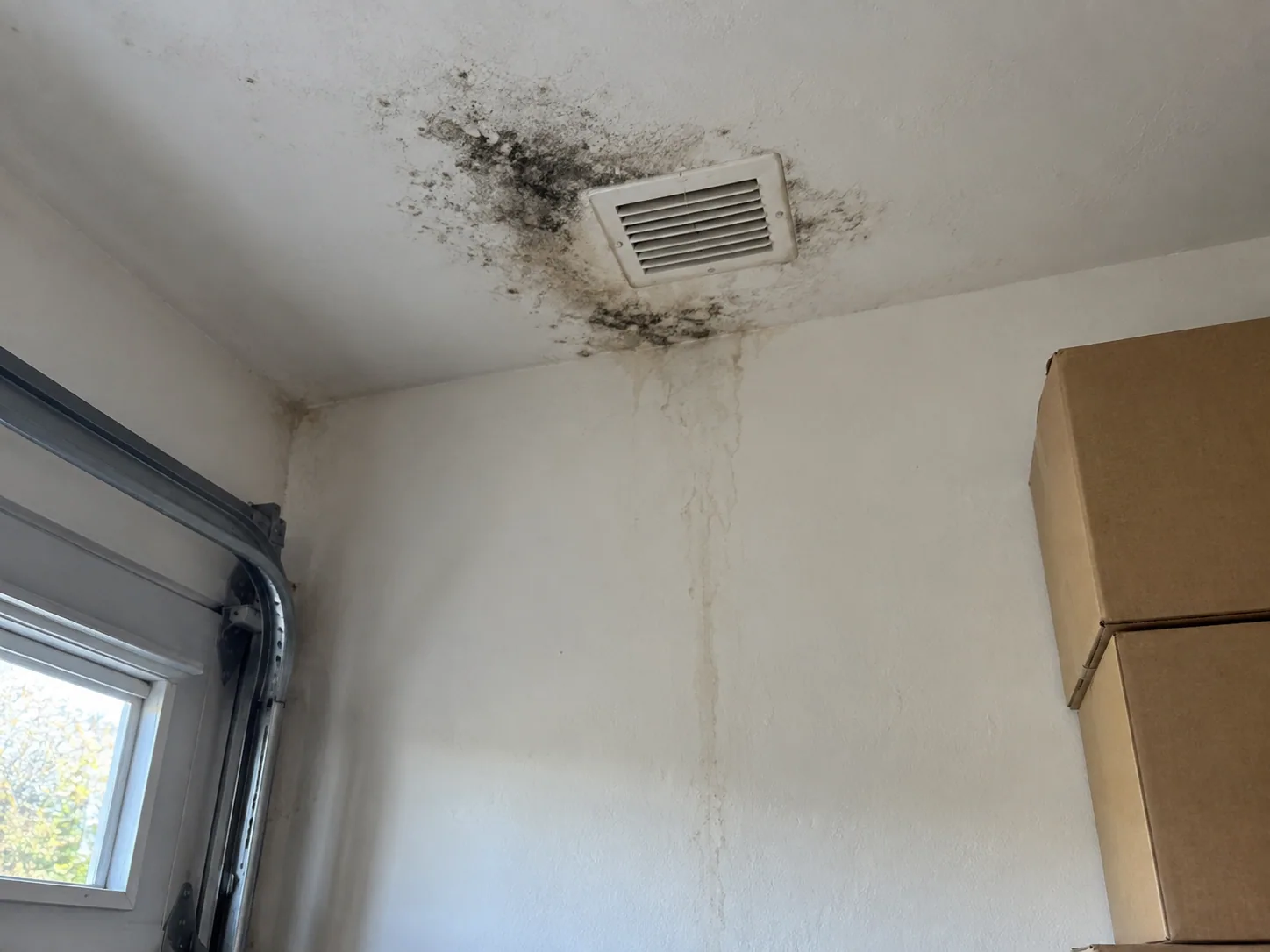
We look beyond the visible growth and check likely moisture pathways: around supply lines, drain lines, exterior penetrations, and HVAC condensate components.
You get a written plan that explains what gets removed, what gets cleaned, what stays protected, and what needs to be fixed so the mold does not come back.
Containment, HEPA filtration, and careful bag-out reduce cross-contamination risks for adjacent rooms and shared corridors in multi-tenant buildings.
We treat mold like a contaminant. That means PPE, controlled removal, and jobsite hygiene so debris does not get tracked through the property.
For commercial spaces and rentals, we can summarize findings, the remediation scope, and post-work conditions to support maintenance and tenant communication.
A sequential workflow isolates the work zone, removes unsalvageable material, cleans remaining surfaces, and confirms moisture conditions before repairs begin.
We inspect the affected areas, check moisture with meters, and identify likely sources such as condensate issues, plumbing leaks, or roof intrusion points.
We isolate the work area and run HEPA air scrubbers. For sensitive environments, we plan traffic paths to keep occupants separated from the remediation zone.
When drywall, insulation, carpet pad, or other porous materials are contaminated, removal is often the safest approach. We cut back to clean, solid edges.
We clean remaining framing or surfaces using HEPA vacuuming and appropriate cleaning methods for the material, then apply treatment where it fits the scope.
We confirm the area is dry, review any remaining humidity or ventilation concerns, and walk you through what should happen next before rebuilding finishes.
Mold can show up anywhere moisture persists, but certain Dallas building layouts and usage patterns tend to create repeat trouble spots:
Uptown and Downtown Dallas have more multi-family and shared-wall layouts where containment and hallway protection matter. Lake Highlands and East Dallas include many older homes where past repairs or aging plumbing can hide moisture behind finishes. In North Dallas, larger homes often have more HVAC zones and condensate lines to maintain, increasing the number of potential leak points.
If you are seeing staining or odor but cannot find the moisture source, it is still worth getting an inspection. The goal is to avoid unnecessary tear-out while still addressing what is actually contaminated.
Black mold removal in Dallas typically ranges from about $800 to $3,500 for many residential projects, while larger multi-room or commercial remediation with extensive containment can run $4,000 to $12,000+. Small, contained cleanups may fall at the low end; projects that require drywall or insulation removal, multiple air scrubbers, or work in tight HVAC and attic spaces usually cost more.
Your price depends on the affected square footage, how long materials have been wet, how much demolition is required, access such as attics or high ceilings, and whether odors indicate hidden growth. The exact cost is confirmed after an on-site inspection and a written scope.
Most projects begin with an on-site inspection and scope, and then we schedule containment and remediation as soon as the space can be accessed and the moisture source is stopped. If a leak is still active, the priority is to prevent ongoing wetting because remediation will not last on damp materials.
We can discuss sampling if your situation calls for it, but remediation decisions are usually based on visible growth, moisture conditions, and material type rather than the color alone. If documentation is needed for a landlord, insurer, or property manager, we can outline options and build the scope around what is required.
Sometimes, but only when the affected material is non-porous or semi-porous and the growth has not penetrated behind the surface. Drywall and insulation often need removal when they are contaminated because they are porous and difficult to clean to a reliable standard.
It depends on the size and location of the work area and who is in the household. With proper containment and HEPA filtration, many projects can be completed while occupants remain in other areas, but we may recommend temporary relocation for large tear-outs, work in central HVAC areas, or for people with respiratory sensitivities.
Keep the affected area closed off if possible, avoid running fans that blow air across visible growth, and do not disturb contaminated materials. If the problem is near an HVAC return, limit HVAC use until we can evaluate whether it is pulling air from the affected zone.
Coverage depends on the cause of the moisture, your policy language, and how the damage is documented. Sudden events tied to a covered water loss are handled differently than long-term seepage. We can provide a clear scope and supporting documentation so you can discuss coverage with your adjuster.
Tell us what you are seeing and where it is happening. We will schedule an inspection, explain the containment plan, and provide straightforward pricing for black mold removal in Dallas.