Water extraction and containment
Pump-out and extraction to stop spread, plus basic containment to keep traffic and airflow working for the drying plan.
When water gets into drywall, flooring, or cabinets, time matters. Dallas Water Damage responds fast with certified technicians who document the loss, dry the structure correctly, and complete the repairs that put your property back in service.
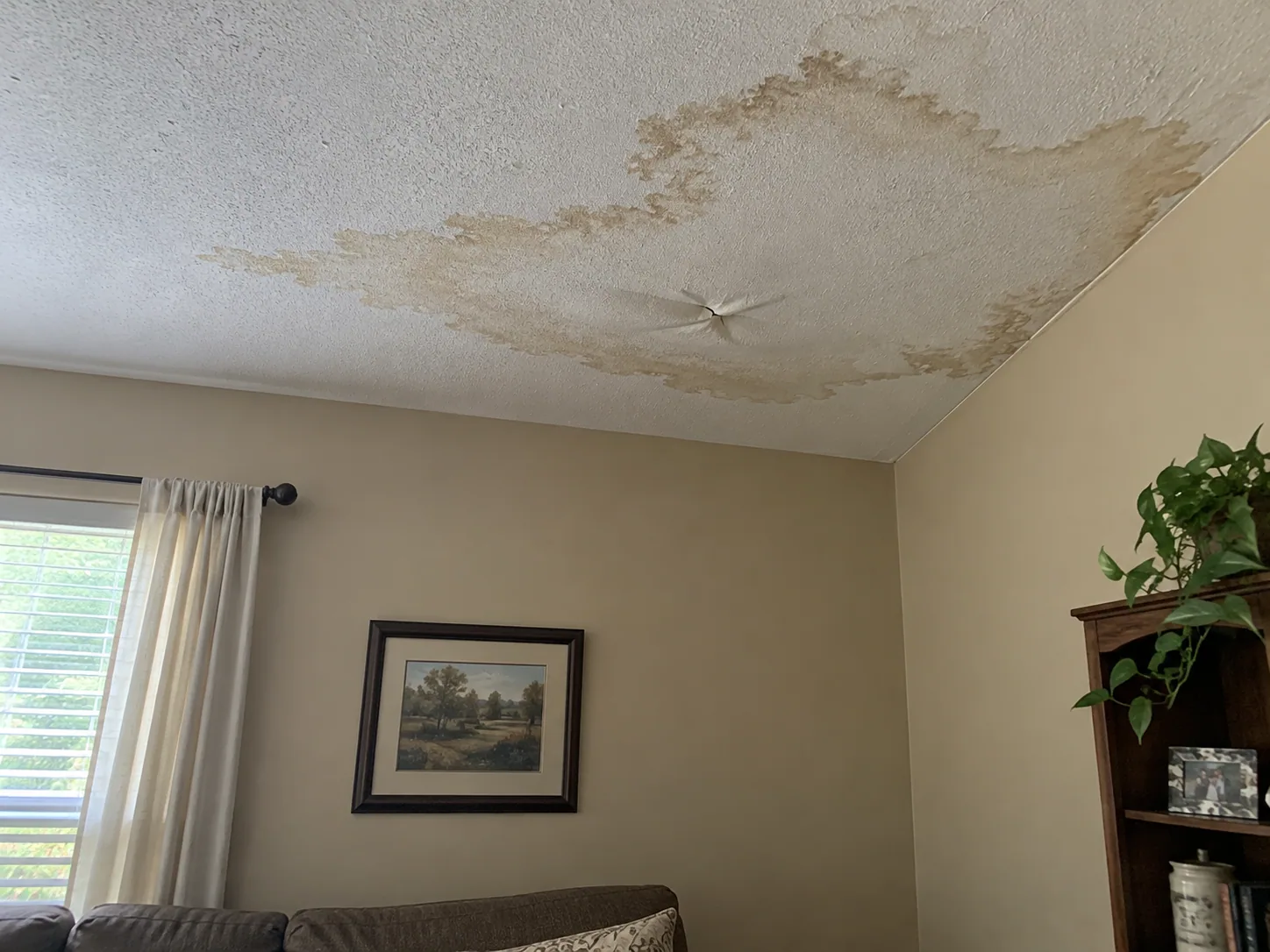
If you are searching for water damage repair Dallas Texas, you are probably dealing with soaked floors, bubbling paint, damp drywall, or that musty smell that shows up after a leak. The job is not just getting the visible water out. It is confirming where moisture traveled, drying the structure to safe levels, and repairing what was removed so the space is usable again.
Dallas properties often have a mix of slab foundations and pier-and-beam construction, and that changes how water behaves. On slabs, moisture can linger under flooring and wick up wall cavities. In older pier-and-beam areas, water can move quickly beneath the house and into insulation and subflooring. Either way, the repair plan needs measurements, not guesses.
Our team at Dallas Water Damage handles the full scope: emergency water removal, structural drying, controlled demolition when needed, and restoration repairs. The repair portion is where drying work becomes finished walls, floors, and trim again.
This is one part of our wider water damage restoration in Dallas service, covering homes and commercial property across the Dallas and North Texas area.
Pump-out and extraction to stop spread, plus basic containment to keep traffic and airflow working for the drying plan.
We locate affected materials with meters and thermal imaging where appropriate, then document readings so the drying plan and repairs match the actual conditions.
Air movers and dehumidifiers are sized to the loss. Drying targets are based on material type and normal moisture levels for the space.
When drywall, insulation, or flooring cannot be dried safely, we remove only what is necessary to prevent hidden damage from staying behind finished surfaces.
Drywall replacement, texture and paint blending, baseboards and trim, flooring repair or replacement, and cabinet toe-kick work as needed to restore function and appearance.
Before repairs close up the work area, we verify that framing and subfloors are dry enough to proceed, reducing the risk of trapped moisture.
You should expect two things right away: a clear scope and a clear timeline. For active leaks, the first priority is stopping the source or coordinating with your plumber and extracting water. Then we move into measurements and drying.
In Uptown and Downtown Dallas high-rise condos and mid-rise buildings, elevator access, building rules, and after-hours work windows can affect staging and drying equipment placement. In Lakewood and other areas with older housing stock, we often find moisture behind baseboards and in plaster or layered wall assemblies that require careful removal and repair planning. In areas like Oak Cliff with a mix of older and renovated homes, previous remodel layers can hide wet framing until readings confirm it.
During the visit, we walk the affected rooms with you, point out what is likely salvageable, and explain what repairs come after drying. You will know which materials are being dried in place versus removed, and what the rebuild phase will include, including drywall finish level, paint-match expectations, and flooring transitions.
If an insurance claim is involved, we can provide photos, moisture logs, and a written scope so your adjuster has documentation that matches what is actually on site.
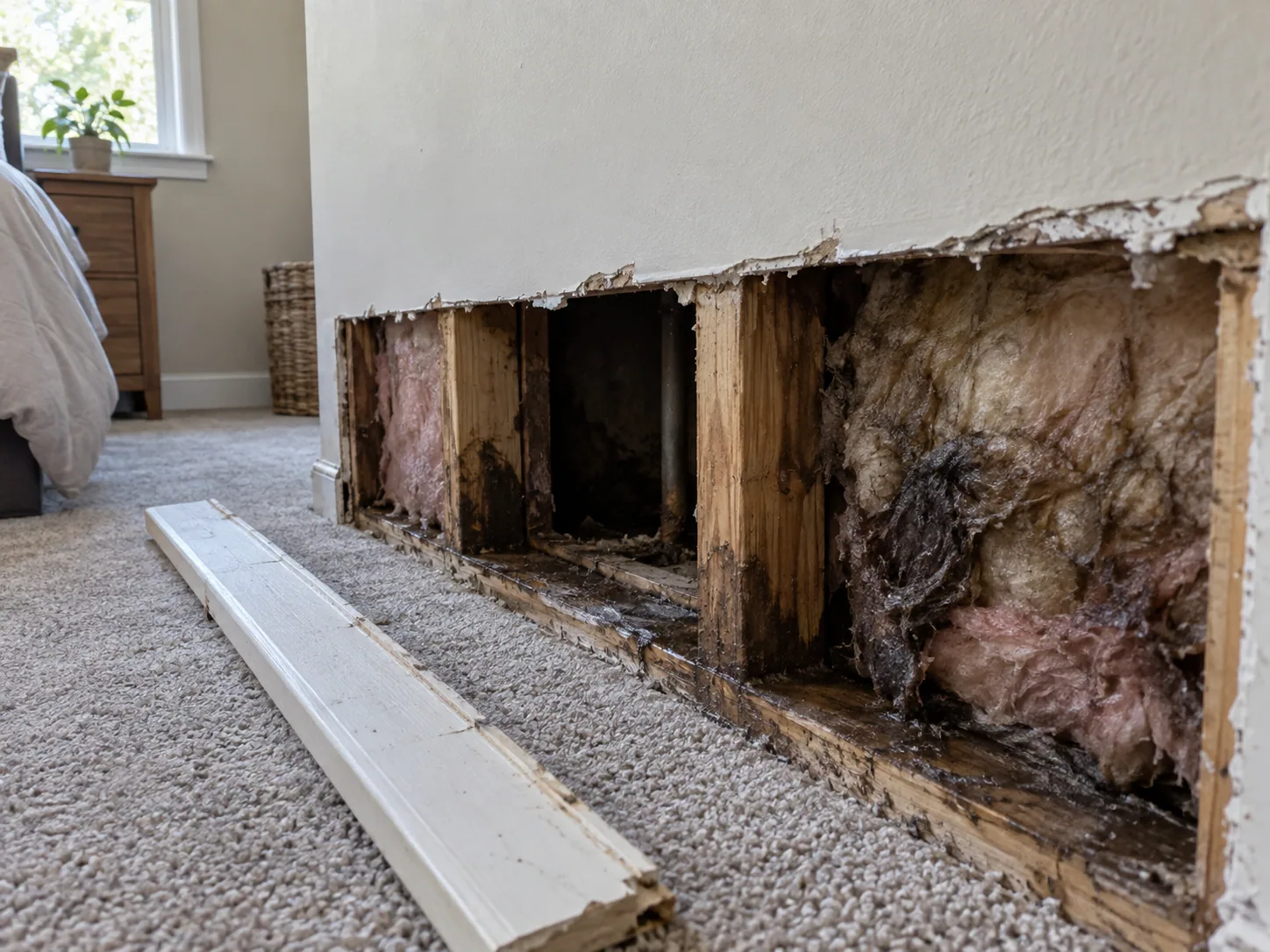
The workflow moves from emergency stabilization through measured drying, selective removal, repair, and a final review of the restored space.
We assess safety, identify the water source, extract standing water, and set up equipment to limit further absorption.
We determine what materials are affected and whether the loss involves clean water, gray water, or contaminated water, which changes what can be saved and what must be removed.
We place air movement and dehumidification based on readings and layout. We monitor and adjust until target moisture levels are met.
If materials cannot be dried safely, we remove them in controlled sections so the remaining structure can dry and repairs can be cleanly rebuilt.
We restore drywall, insulation, trim, flooring, and paint. For kitchens and baths, we address toe-kicks, vanity bases, and transitions so the finished work looks intentional.
We confirm the repaired areas, review documentation, and leave the space clean and ready for normal use.
Water damage repair in Dallas typically ranges from about $750 to $6,000+, depending on how far water traveled and what needs to be removed and rebuilt. A small, contained leak with limited drywall and baseboard repair may fall near the low end, while multi-room drying with flooring replacement and cabinet work trends higher.
Final cost depends on affected square footage, water category, drying days and equipment needs, material type, access constraints, and whether repairs require matching textures and finishes. The exact price is confirmed after an on-site inspection and moisture mapping.
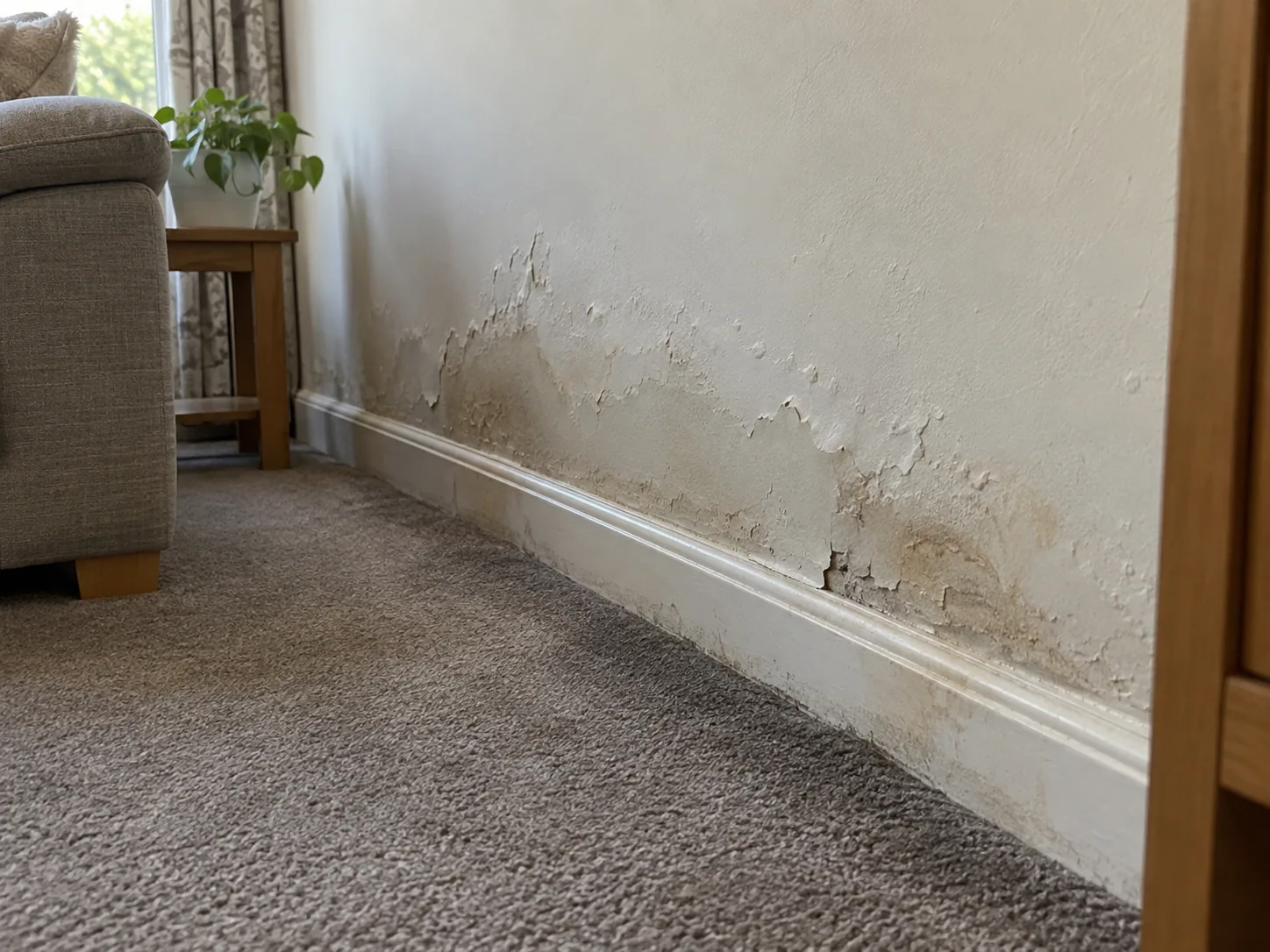
Water damage repair should start as soon as the source is stopped, ideally the same day, because moisture can move into drywall and under flooring within hours. Early extraction and drying often reduce how much material has to be removed, and it helps prevent odor and secondary damage that complicates the rebuild.
Sometimes, yes, if the drywall is not structurally compromised and moisture readings show it can be dried safely. If insulation is saturated, drywall has swollen, or the water is contaminated, selective removal is usually the safer approach so hidden moisture is not trapped behind finished surfaces.
Most drying phases take about 3 to 5 days, but the timeline depends on material type, how far water traveled, and how quickly humidity can be controlled in the space. We use moisture readings to decide when repairs can start, not the calendar.
Yes, we can support insurance claims by providing photos, moisture documentation, and a written scope that matches the work performed. Coverage depends on your policy and the cause of loss, but clear documentation helps the adjuster understand what was affected and why specific repairs were required.
We commonly find hidden moisture at the base of walls, behind baseboards, under floating floors, around toilet and sink supply lines, behind washing machines, and in the lower sections of cabinets. In condos and commercial spaces, we also check shared-wall areas where water can migrate from adjacent units.
Often it is, as long as the affected area can be contained and there are no safety issues like sewage contamination or electrical concerns. If controlled demolition is needed or equipment noise and airflow will be disruptive, we will tell you what to expect and which rooms should be avoided.
Tell us what happened and what areas are affected. We will schedule an inspection, map moisture, and give you a written scope with the drying plan and the repairs needed to restore the space.