Sampling based on building science
We look for likely moisture entry points and airflow patterns so samples answer a specific question, not just generate numbers.
Get fast scheduling, clear lab-backed results, and a practical plan for what to do next if mold is found in your Dallas home or property.
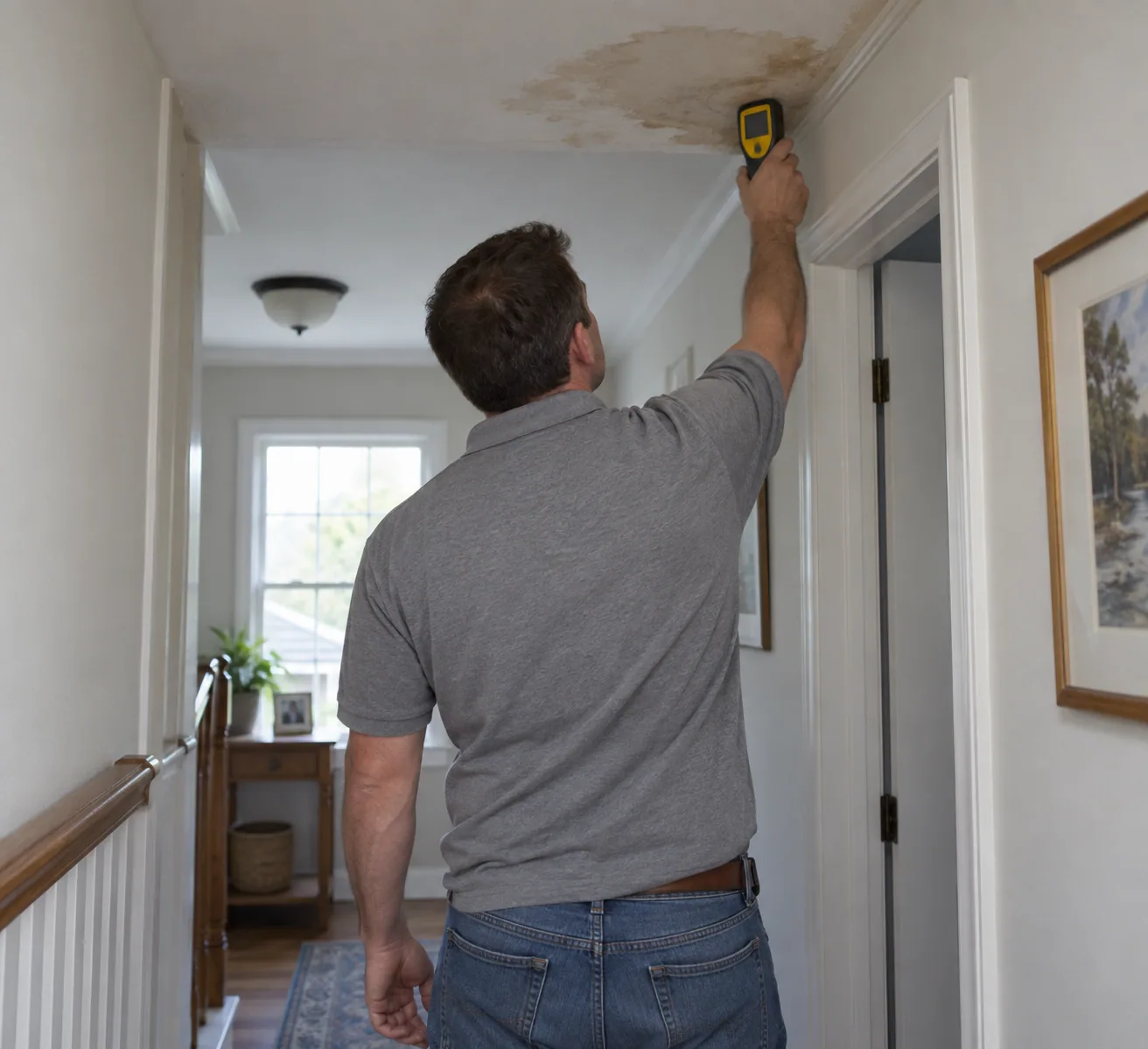
If you smell a musty odor, see staining that keeps returning, or have had a recent leak or humidity issue, mold testing is the fastest way to replace guesswork with evidence. Mold can grow in hidden cavities like wall bays, behind baseboards, under flooring, and inside HVAC returns, so a quick visual check alone often misses the source.
Dallas properties also face long stretches of warm weather where indoor moisture control matters. After a plumbing leak, roof intrusion, or an AC drain problem, materials like drywall paper and insulation can hold moisture long enough for growth to start.
Dallas Water Damage provides mold testing focused on clear sampling choices, defensible documentation, and next-step guidance based on results.
This is one part of our wider water damage restoration in Dallas service, covering homes and commercial property across the Dallas and North Texas area.
A store-bought kit can be a starting point, but it rarely answers the questions that matter: Where is the source, how widespread is it, and what should be done first? Professional testing is about sampling strategy and interpretation.
We start with a walk-through to map likely moisture paths and suspect areas, then choose samples that fit the situation:
You receive a written report that documents locations, methods, and findings in plain language, plus next steps that match the level of concern. If results suggest remediation, we can also coordinate the plan with your restoration goals. If your issue started with a leak or flood, testing and drying decisions should support each other.
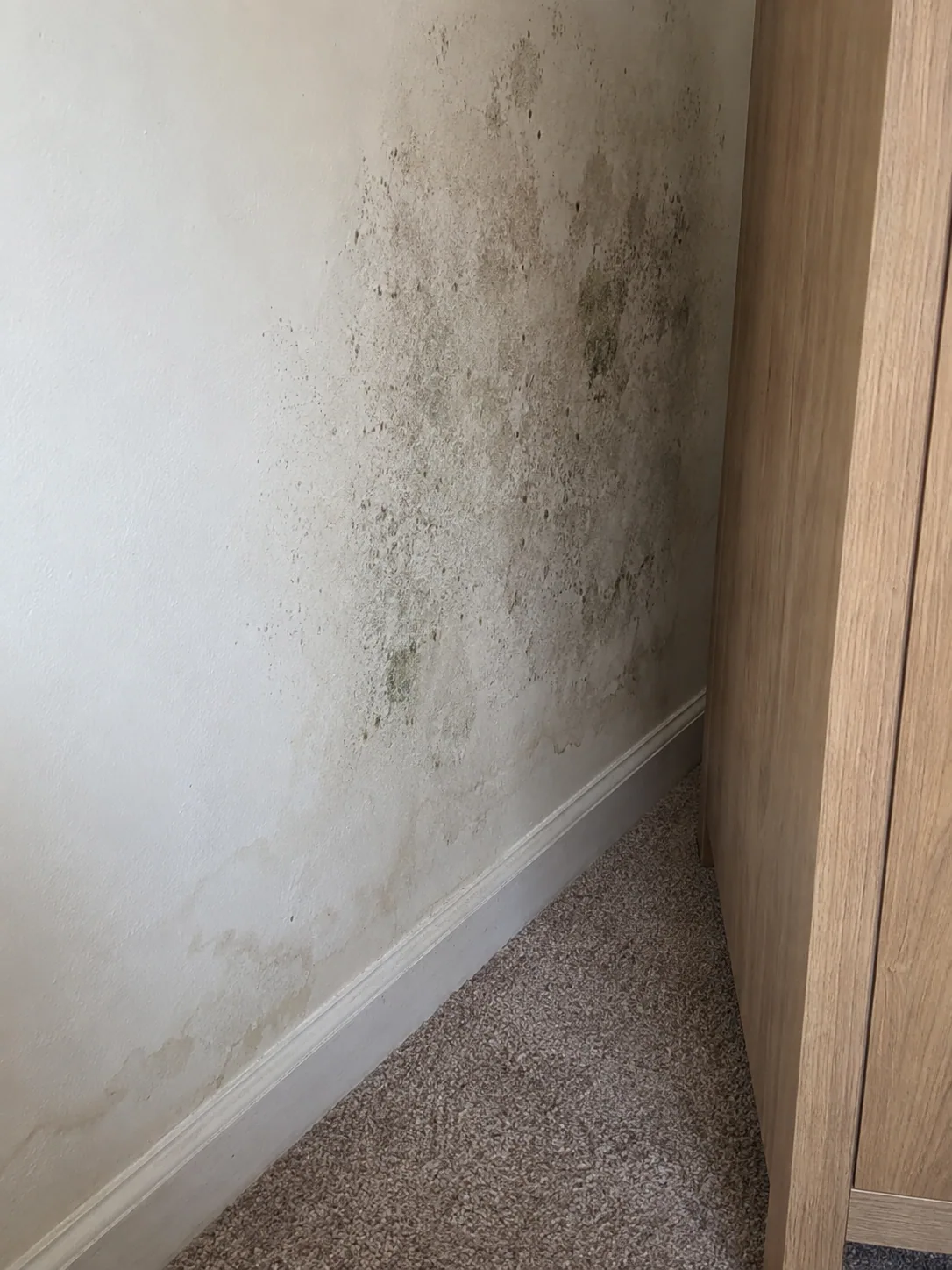
We look for likely moisture entry points and airflow patterns so samples answer a specific question, not just generate numbers.
Moisture readings help confirm whether materials are still wet and whether conditions support ongoing growth behind finishes.
You get documented sample locations and straightforward interpretation so you can decide on cleanup, repairs, or further investigation.
When results indicate concern, we outline a practical plan: containment, cleaning scope, and what to verify after work is done.
We work cleanly and explain what we are doing as we go, especially when testing is happening around families, tenants, or staff.
A good mold inspection starts by focusing on the spaces most likely to trap moisture or hide it.
Uptown and Downtown Dallas: In condos and apartments, shared walls, stacked plumbing, and limited access to mechanical spaces can make moisture issues harder to trace. Testing often focuses on plumbing chases, fan coil closets, and nearby rooms where odors appear first.
Lakewood and the M Streets: Older construction details and layered renovations can leave mixed materials behind walls and under flooring, affecting where moisture holds and where to sample when staining is present but its source is unclear.
Oak Cliff: A mix of home ages and additions can create transitions where flashing, window work, or past repairs allow intermittent water entry. When a problem follows storms, sampling is planned around the suspected pathway and affected interior surfaces.
North Dallas and surrounding areas: Larger homes may have HVAC zoning, multiple attics, and long duct runs that complicate how odors and spores move. Room-by-room comparisons and an outdoor control sample can help interpret the conditions.
For landlords, property managers, and homeowners needing documented findings for an insurance or repair decision, the goal is the same: identify whether mold is present, how to limit exposure, and what work actually needs to happen.
A focused inspection and sampling sequence connects the lab findings to specific rooms, materials, and moisture conditions.
We ask what you are seeing and smelling, whether there was a known leak, and which rooms are most affected so the visit is focused.
We walk the property, note visible conditions, and check likely moisture areas. This step helps choose the right sample types and locations.
We collect air and/or surface samples as appropriate, label each location, and document conditions so results can be tied to specific areas.
Samples are sent for analysis and you receive a written report summarizing findings, what they mean for the building, and recommended next steps.
If remediation is warranted, we outline a practical scope and what to verify after cleanup so the issue is actually resolved.
Mold testing in Dallas typically ranges from about $300 to $900+, depending on how many areas are tested and how many samples are collected and analyzed. A basic visit with one or two air samples and an outdoor control is often on the lower end, while larger homes, multiple rooms, or added surface and cavity samples increase cost.
Final pricing depends on access, the number of problem areas, whether moisture mapping is needed, and how much documentation you want for property or insurance decisions. Exact cost is confirmed after the on-site inspection and sampling plan.
If you are seeing staining or dealing with a persistent musty smell, a focused inspection and targeted sampling can clarify what is happening and what to do next.
Scheduling depends on current demand, but we prioritize active concerns like visible growth, strong odors, or recent water intrusion so you can make decisions quickly. When you reach out, tell us the rooms involved, whether there was a leak, and whether anyone is sensitive to odors so we can plan the right visit length and sampling approach.
Testing can confirm mold presence and help narrow the affected areas, but the source is usually tied to moisture, not the spores themselves. That is why we pair sampling with a visual inspection and moisture checks to connect results to likely pathways like plumbing leaks, window intrusion, or AC-related condensation.
Air samples measure spore levels in the air of a room and are useful for comparing spaces and checking for hidden issues, while surface samples identify what is on a specific material you can see. Many situations benefit from both: air sampling to understand the room environment and a surface sample to confirm the nature of a suspicious spot.
Not always, but it is smart when water contacted porous materials such as drywall, insulation, or carpet pad, or when a musty odor persists after drying. If the leak involved a wall or ceiling cavity, testing helps confirm whether there is a hidden reservoir before you spend money on cosmetic repairs.
Yes, in most cases you can stay home during a standard inspection and sampling visit. We will let you know if any area needs temporary limited access while samples are collected, and we can focus first on bedrooms or other priority rooms if you have concerns about comfort.
If results indicate remediation is needed, we can explain what a proper scope looks like and how containment and verification should be handled so cleanup addresses the cause, not just the symptom. If your concern is connected to a leak, aligning remediation with restoration can prevent re-growth by fixing the moisture problem at the same time.
Keep doors and windows in their normal state, avoid heavy cleaning of the suspect area right before the visit, and make sure we can access closets, returns, and the area around any visible staining. If you have photos from when the issue first appeared or notes about a past leak, that context helps us choose better sample locations.
Tell us what you are noticing and where it is happening. We will schedule a mold testing visit in Dallas, document the findings, and walk you through the next step based on the report.