Emergency water extraction
Pumping and extraction remove standing water from rooms, garages, and low areas, followed by targeted removal of trapped water in carpets, padding, and seams.
When water gets in, time matters. Get a rapid on-site assessment, controlled drying, and a clear restoration plan to protect your home or business and limit long-term damage.
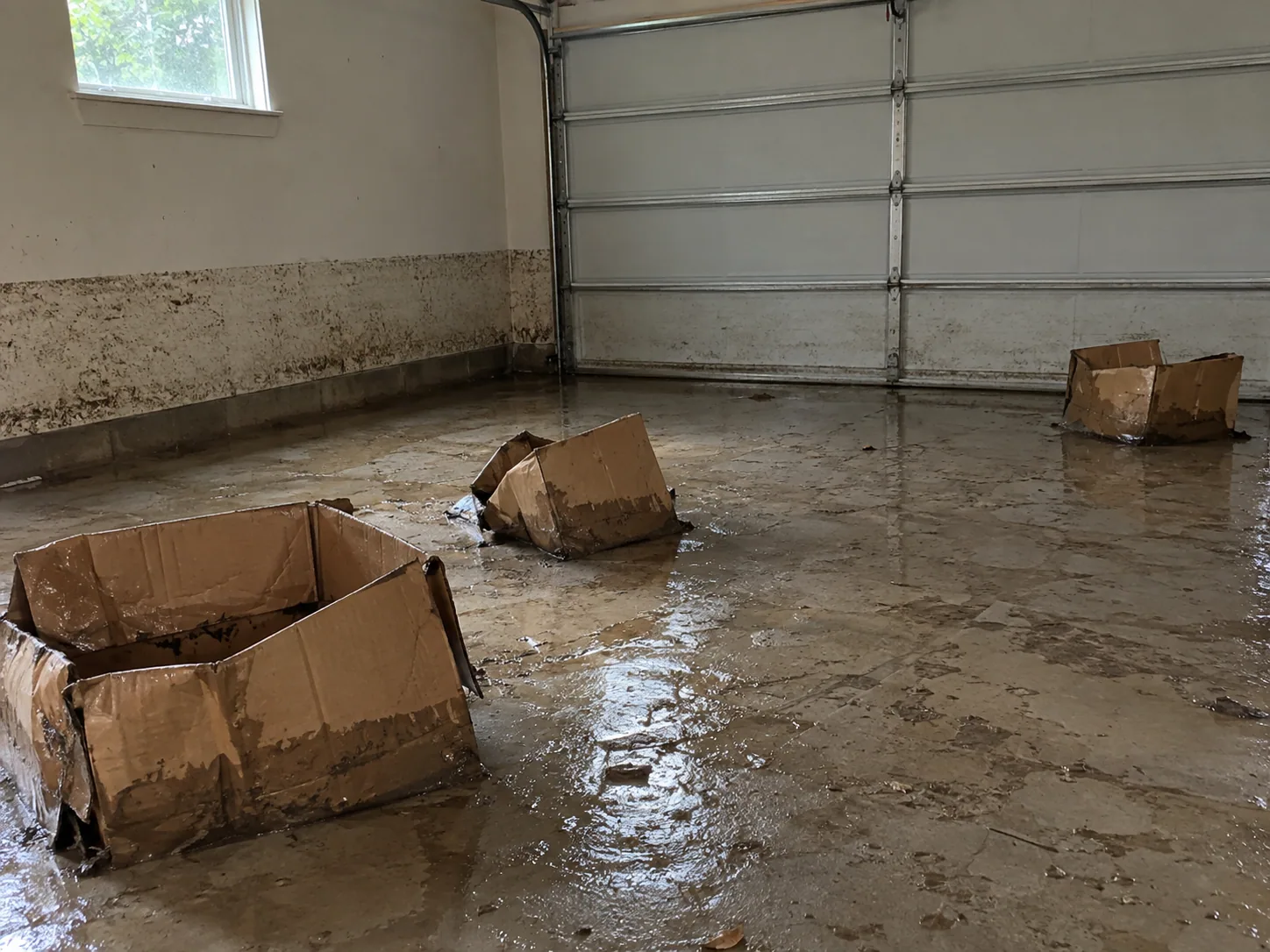
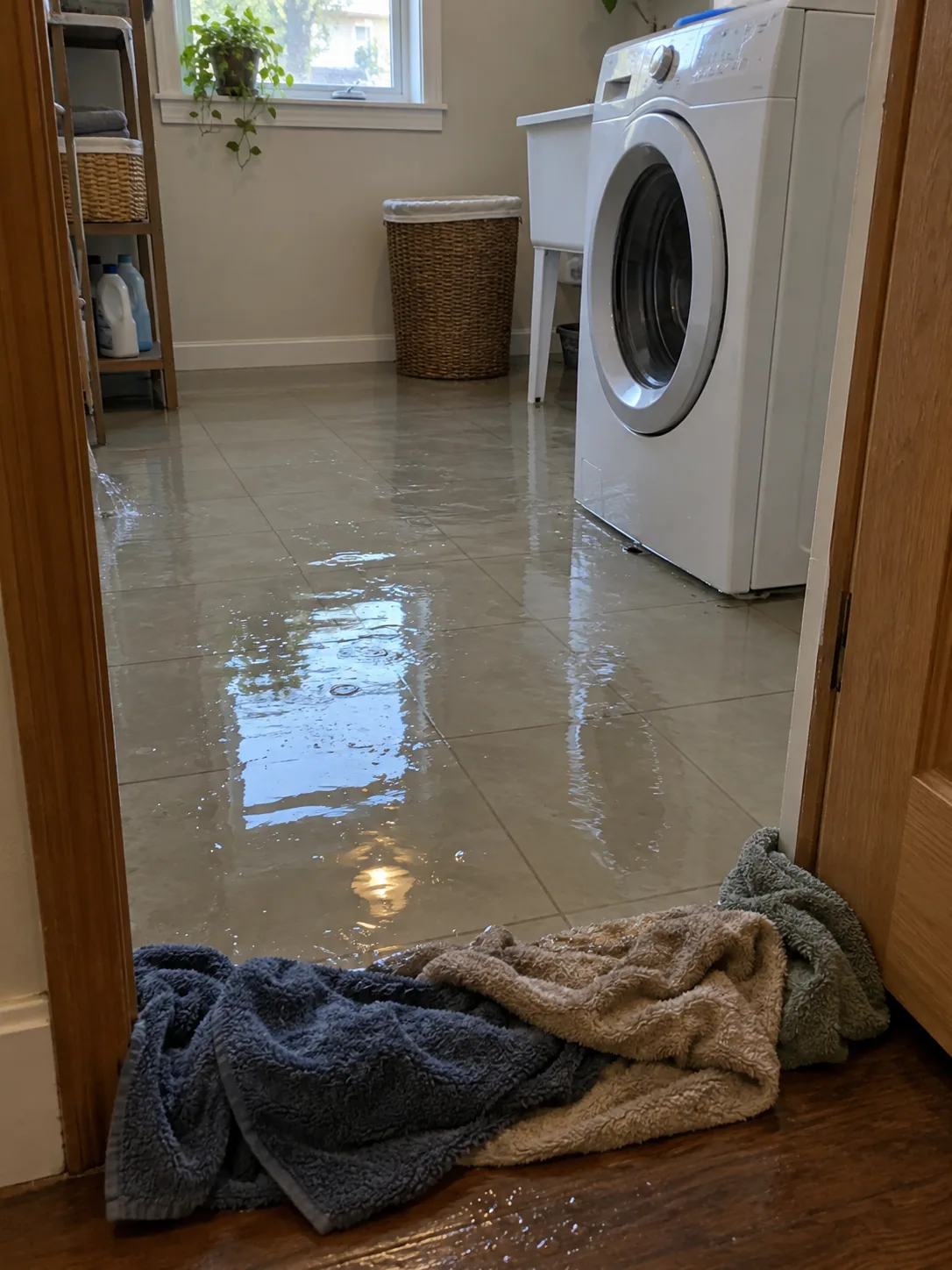
Flood restoration Dallas work is equal parts urgency and precision. Standing water can reach drywall and flooring quickly, then move into wall cavities, insulation, and subfloors. The goal is to remove water, control humidity, and dry the structure in a way that prevents secondary damage like swelling wood, delamination, and microbial growth.
Dallas Water Damage handles residential and commercial flood restoration across Dallas (75201) with an inspection-first approach. You get a written scope of what is wet, what must be removed, what can be dried in place, and what the next few days should look like. If you are also comparing broader options, our overview of Water Damage Restoration covers how flood losses fit into the wider water-damage process.
This is one part of our wider water damage restoration in Dallas service, covering homes and commercial property across the Dallas and North Texas area.
Pumping and extraction remove standing water from rooms, garages, and low areas, followed by targeted removal of trapped water in carpets, padding, and seams.
Moisture meters and thermal imaging help locate water inside walls and under floors so drying is based on measurements, not guesswork.
Air movers and dehumidifiers are sized to the loss and placed to create airflow where water hides, with daily checks to confirm drying progress.
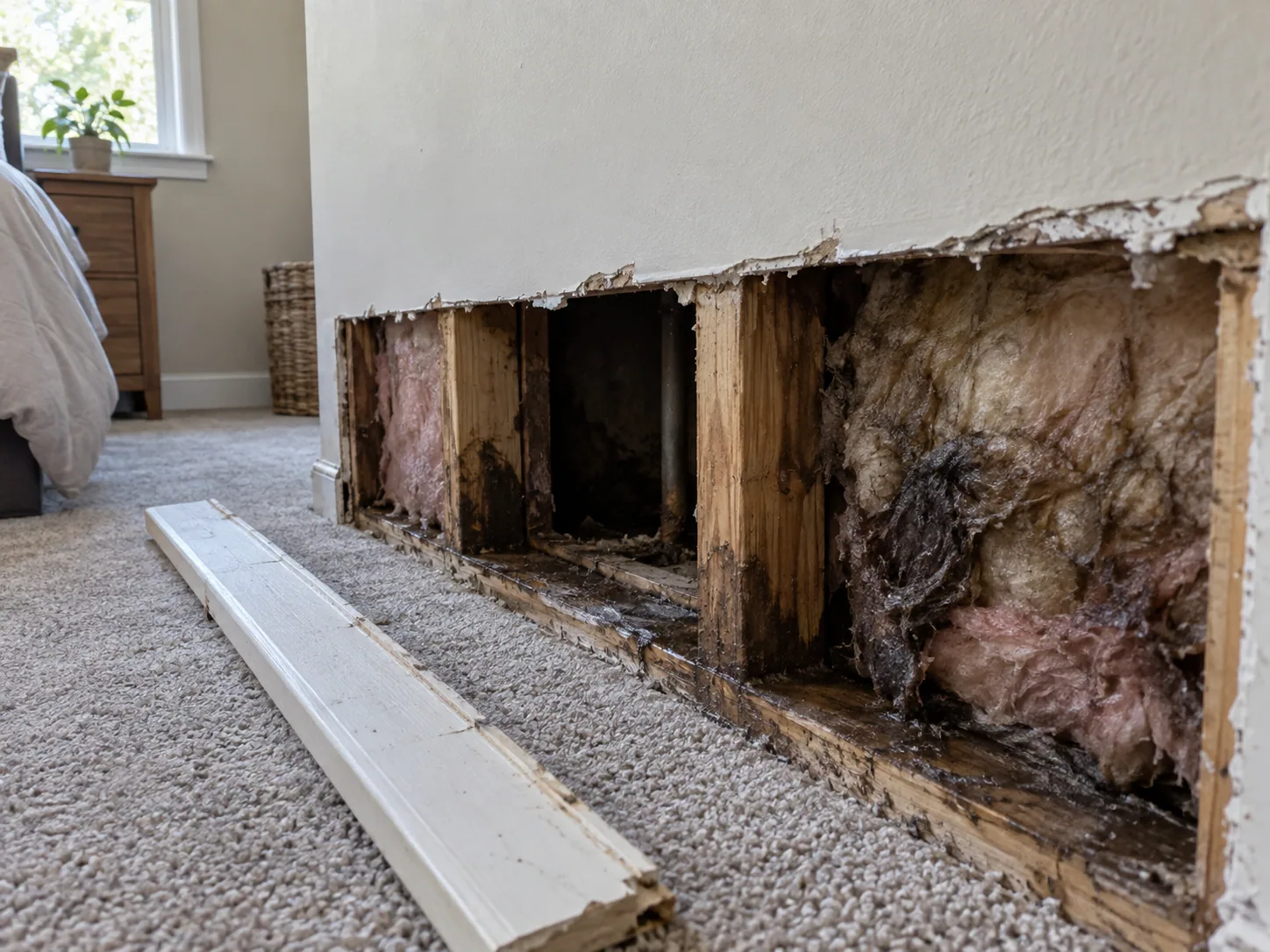
When materials cannot dry safely—common with wet insulation or swollen baseboards—we remove only what is required to access and dry the structure.
Cleaning protocols depend on the water source, with attention to porous materials and affected contents when floodwater has soil or contaminants.
Drying is verified with readings, then the area is prepared for repairs such as drywall, paint, trim, or flooring replacement based on the scope.
Flooding in Dallas often comes with fast-moving stormwater and rapid changes in humidity. That combination can push moisture deeper into materials, especially where there are multiple layers—laminate flooring over underlayment, tile over mortar bed, or drywall over insulation. It is why a quick extract alone is not restoration.
You will usually see the highest risk in:
We commonly work around Downtown and the Arts District where mixed-use buildings have shared assemblies, in Uptown where many properties have multi-story layouts and finished flooring, and in Oak Lawn where older construction can have more wall penetrations and retrofits that create hidden pathways for water.
A sequential workflow controls the source, removes standing water, dries hidden moisture, and prepares the property for repairs.
We start by confirming the water is stopped and the space is safe to enter. If power, HVAC, or wet electrical is involved, we plan work around safe shutoffs and access.
We identify affected materials, check adjacent rooms, and document moisture readings. You get a clear scope that separates drying work from repairs.
Standing water is extracted first. Then we decide what can dry in place versus what needs removal to open cavities and prevent trapped moisture.
Equipment is positioned for airflow and dehumidification. We monitor temperature and moisture until readings show the structure is dry enough for repair work.
After drying, we clean and address odors based on the category of water. Then we coordinate the repair path so you can get back to normal with fewer surprises.
Flood restoration in Dallas typically ranges from about $1,500 to $12,000+, with small, contained losses—one room with limited removal—often on the low end and whole-floor or multi-room floods with demolition and rebuild on the high end. Category of water, affected square footage, how long materials stayed wet, and what must be removed—drywall, insulation, cabinetry, or flooring—drive the final price. The exact cost is confirmed after the on-site inspection and moisture mapping.
Response depends on current storm conditions and workload, but we prioritize active flooding and time-sensitive drying. In Dallas, widespread storms can create multiple simultaneous losses, so early outreach and clear access instructions help us get to you faster and start extraction and drying before water spreads.
Often you can stay, but it depends on the extent of flooding, affected rooms, and whether power or HVAC needs to be shut down for safety. Drying equipment is loud and runs for days, and if bathrooms or kitchens are impacted you may choose temporary relocation even when it is not required.
Most drying takes about 3 to 5 days once equipment is set, but thicker materials, hidden cavities, and high humidity can extend that timeline. We base completion on moisture readings in the structure, not on the calendar.
Some materials can be dried in place, but drywall that is saturated or has wicked water high up often needs a controlled cut for access and to avoid trapped moisture. Baseboards and insulation are evaluated case by case, with the goal of removing only what is necessary to dry the structure safely.
Stop the water source if you can do so safely, avoid wet electrical areas, and move valuables to a dry spot. If you can, take photos for documentation and keep affected items until you have a plan, since disposal can remove important information about what was damaged and why.
Yes, we can provide documentation, moisture readings, and a clear scope to support your claim. Coverage varies by policy and water source, so we focus on accurate reporting and a restoration plan that aligns with what the adjuster needs to review.
Tell us what happened and what areas are affected. We will schedule an on-site assessment, explain what can be dried versus what must be removed, and outline the next steps to get your Dallas property back to a safe, dry condition.