A written, usable scope
Clear notes on affected rooms and materials, recommended containment level, and what should be cleaned, removed, or dried based on what is actually wet or contaminated.
Get clear, third-party guidance after a leak or flood: what to test, what the results mean, and what a proper remediation scope should include before repairs move forward.
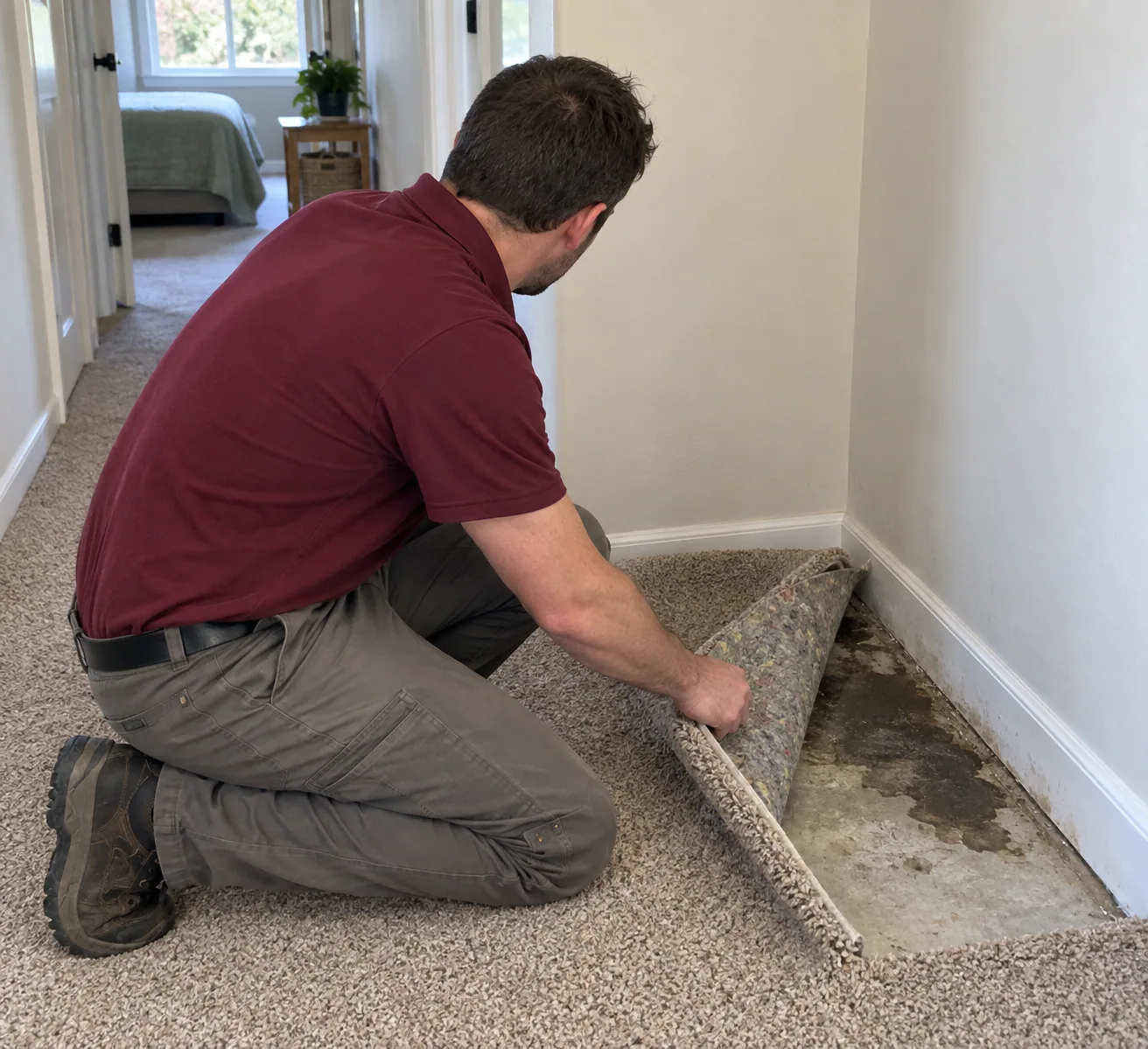
When moisture gets into drywall, framing, insulation, or cabinets, mold can start quickly. Dallas mold consultants help you make decisions based on evidence, not guesswork: where to look, what to sample, how to interpret lab results, and what a reasonable remediation plan should cover.
A consultant's role is different from a contractor's role. The consultant focuses on inspection, documentation, and guidance so the work plan matches the actual conditions in the building. That usually means clarifying what areas are impacted, what materials are likely to be non-salvageable, and what containment and cleaning steps are appropriate.
Many homeowners and property managers start by stabilizing the situation with water damage restoration and then bring in a consultant to confirm the scope before demolition, remediation, and rebuild begin. That sequence helps prevent under-scoping—missed contamination—and over-scoping through unnecessary tear-out.
Dallas Water Damage provides mold consulting support across Dallas, TX, with practical reporting you can use to coordinate tenants, contractors, and next steps.
This is one part of our wider water damage restoration in Dallas service, covering homes and commercial property across the Dallas and North Texas area.
A solid mold consultation starts with a careful site read, not a generic checklist. We look for the moisture source and pathways—roof leak, plumbing leak, HVAC condensate, slab-edge seepage, or storm intrusion—and document how far moisture likely traveled.
Common tools and methods include:
In Dallas, you often see mixed assemblies and remodel layers. A newer finish over older drywall or plaster can trap moisture. In multi-story buildings near Uptown and Downtown Dallas, leaks can migrate between units and show up far from the source. We document these patterns so the plan addresses the real origin and the real spread.
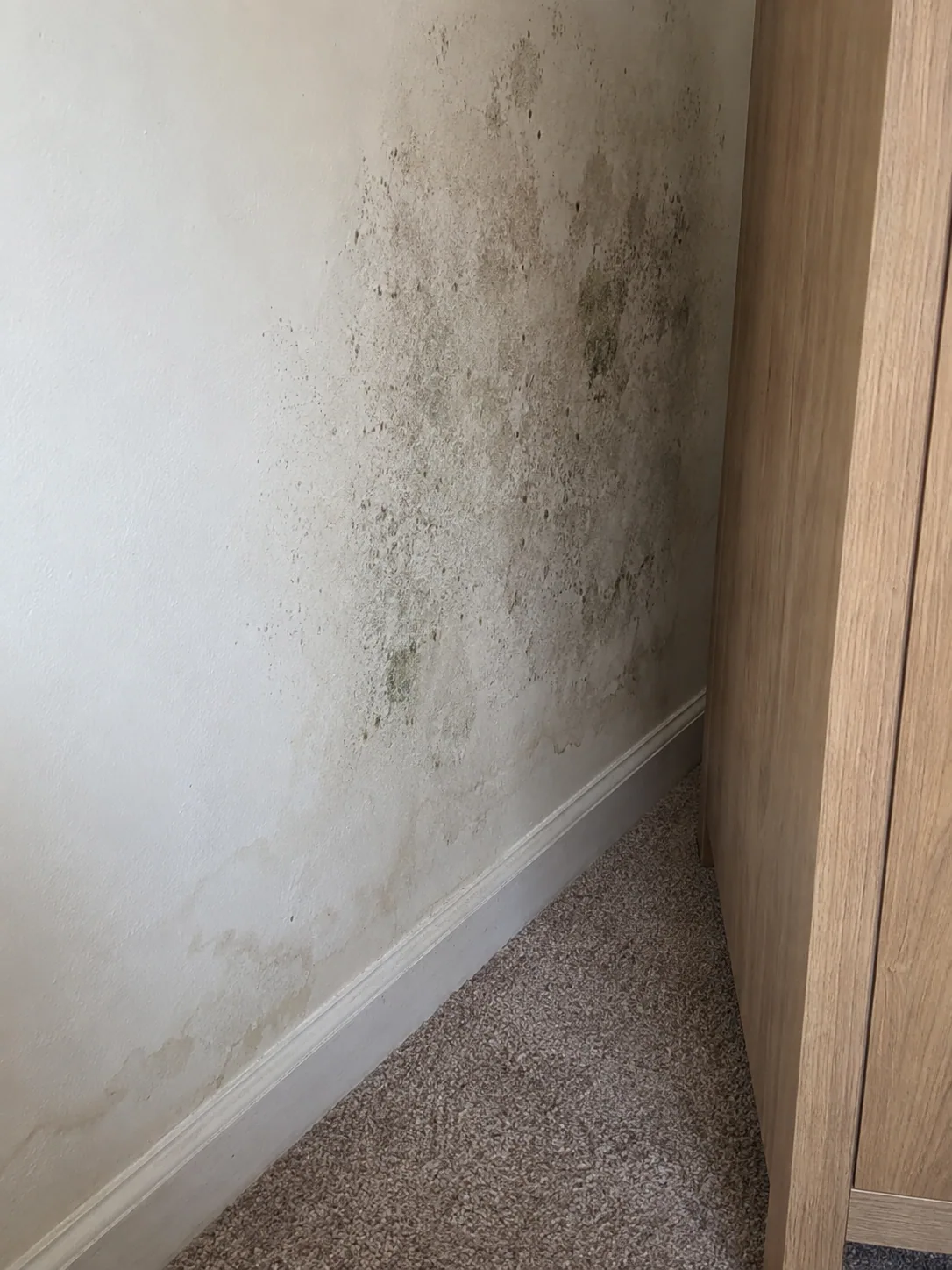
Clear notes on affected rooms and materials, recommended containment level, and what should be cleaned, removed, or dried based on what is actually wet or contaminated.
Testing is a tool, not a default add-on. If results will not change the remediation plan, we tell you that up front.
A plan you can hand to contractors so bids line up on the same containment, filtration, and cleaning approach.
If you want confirmation after work, we can document dry standards and cleanliness checks before rebuild closes walls back up.
Straight answers for homeowners, tenants, and property managers about access, timing, and what needs to happen next.
A measured process connects the moisture event to documented conditions, useful findings, and an appropriate remediation plan.
We start with what happened—leak, overflow, storm, or HVAC issue—when it occurred, what was already dried or removed, and any odors or visible growth you have noticed.
We inspect the suspected areas and the likely migration paths. Moisture readings and material conditions guide where remediation should focus.
If air or surface samples will help confirm boundaries, support a work plan, or address occupant concerns, we collect them with proper documentation and explain what the lab can and cannot tell you.
You get clear findings and next steps, including containment approach, negative air use when appropriate, material removal recommendations, and cleaning detail expectations.
When remediation is complete, we can re-check moisture and conditions before rebuild. If clearance sampling is requested, we align it to the areas that were actually remediated.
Most mold consulting visits in Dallas typically range from about $350 to $900+, depending on the size of the property, how many rooms are affected, and whether sampling is needed. A straightforward inspection and moisture mapping is usually at the lower end, while projects with multiple air or surface samples and written remediation protocols cost more.
Final pricing changes with access—including attics and tight crawlspaces—urgency, and the number of areas that need documentation. The exact cost is confirmed after we review the situation and determine what level of inspection and testing is actually useful.
Mold problems do not show up the same way in every part of Dallas. The building type and how spaces are used changes how moisture behaves and how you should plan remediation.
Shared walls and stacked plumbing can let moisture travel vertically. A wet ceiling may be the symptom, not the source. We focus on tracing pathways and documenting boundaries so the right units get addressed.
Slab foundations and complex HVAC layouts can hide long-term dampness. We pay attention to supply boots, return chases, and the wall-to-floor transition where moisture can linger.
Remodel layers and older materials can conceal prior leaks. We look for staining patterns, prior patches, and cavities where airflow is limited.
Tenant build-outs and frequent HVAC cycling can create condensation issues. We document mechanical and envelope conditions so remediation does not get repeated.
Across Dallas, hot weather and strong air conditioning cycles can create condensation at registers, around poorly sealed duct boots, and on cold surfaces near humid air. That matters because controlling the moisture source is part of solving the mold problem. If the source is not corrected, a perfect remediation job can still fail.
Hire a consultant when the extent is unclear, the moisture event affected multiple rooms, or you need a written scope you can compare across bids. In Dallas, this is common with leaks that travel between floors or behind cabinets and baseboards where damage is not visible.
No, air testing is optional and should be used when it will change a decision, such as confirming boundaries, addressing occupant concerns, or supporting post-remediation verification. If visible growth and wet materials already define the scope, a well-documented inspection can be more useful than extra sampling.
A good protocol spells out the containment level, negative air and HEPA filtration expectations, what materials must be removed versus cleaned, and how remaining surfaces should be detailed and wiped. It should also specify how the area will be evaluated before rebuild, such as moisture criteria and cleanliness checks.
Timing depends on current demand and how urgent the moisture situation is, but consultations are often scheduled quickly when there is active water damage or tenant impact. If materials are still wet, faster assessment helps prevent unnecessary spread and clarifies what must be dried immediately.
Yes, post-remediation verification can include re-checking moisture conditions, reviewing containment removal, and collecting clearance samples if testing is requested. The key is verifying the specific areas that were actually remediated, before new drywall or finishes close the cavity.
If it is safe, stop the water source and avoid disturbing suspect areas—do not scrub visible growth or run fans that blow through it. Gather any prior photos, invoices, or notes from the leak event, and make sure we can access the rooms, attic entries, mechanical closets, and under-sink cabinets related to the issue.
Tell us what happened and what areas are affected. We will explain what an inspection can confirm, when testing makes sense, and what a proper remediation scope should include for your Dallas property.