Containment that matches the situation
We use physical barriers and negative air when needed to prevent spores and dust from moving into living or work areas during removal and cleaning.
If you smell a musty odor, see staining, or had a recent leak, we can inspect, contain, remove affected materials, and clean the air so your property can get back to normal with a clear plan and written scope.
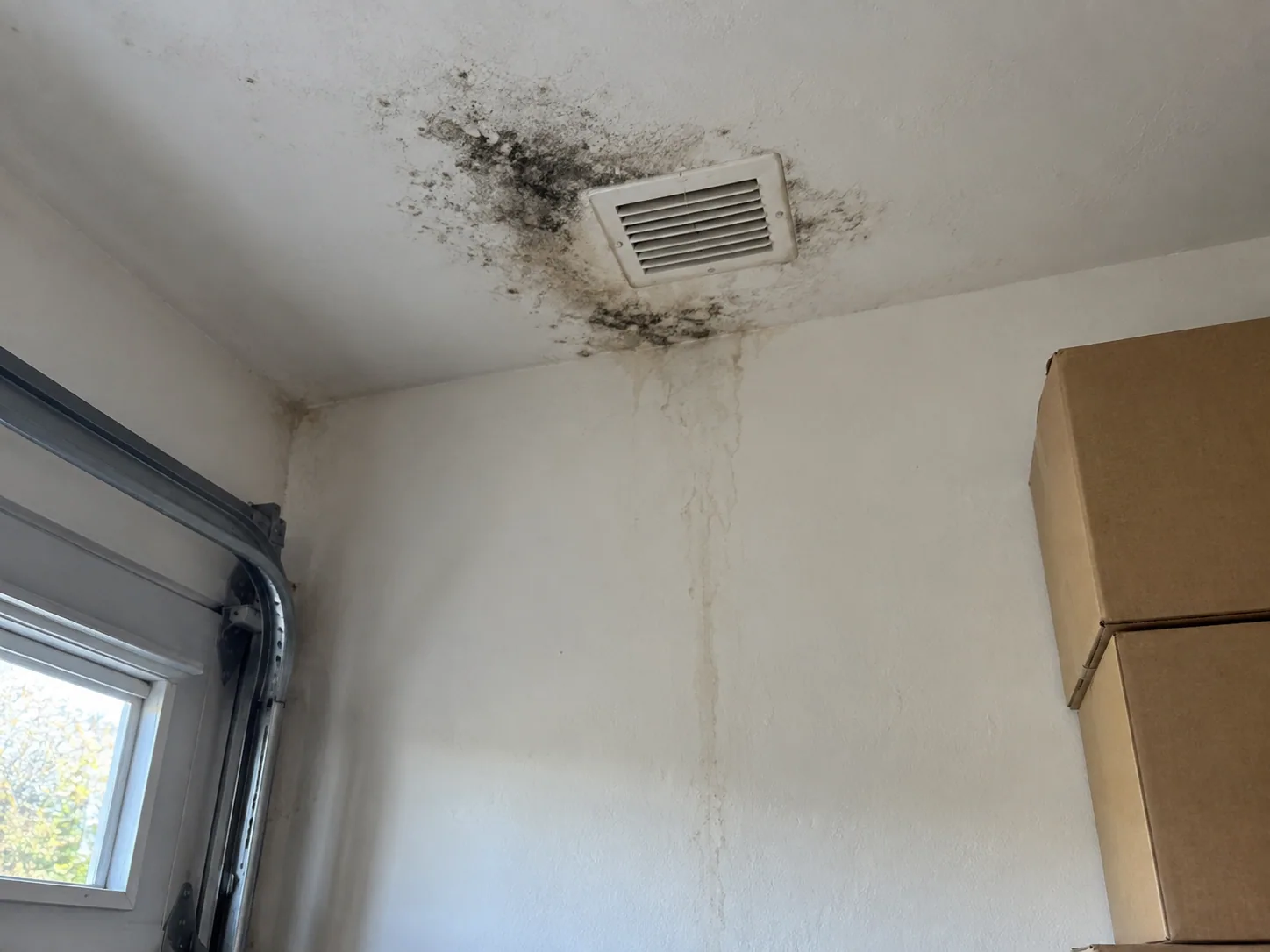
Dallas mold remediation has to do more than wipe visible growth. Mold returns when moisture stays in the building, when contaminated materials are left in place, or when dust and spores are spread during demolition.
At Dallas Water Damage, our mold remediation work is built around three goals: (1) stop the moisture condition that allowed growth, (2) keep cross-contamination from spreading to clean areas, and (3) remove or clean impacted building materials using HEPA filtration and jobsite controls that make sense for the structure.
If this problem started after a burst supply line, roof leak, HVAC drain backup, or a slow plumbing leak, many owners begin with water damage restoration to stabilize the area. Mold work often follows once wet materials are identified and the extent of contamination is confirmed.
This is one part of our wider water damage restoration in Dallas service, covering homes and commercial property across the Dallas and North Texas area.
We use physical barriers and negative air when needed to prevent spores and dust from moving into living or work areas during removal and cleaning.
HEPA air scrubbers and HEPA vacuums capture fine particulate during remediation. Surfaces are cleaned so settled spores are not left behind.
Porous materials like drywall, insulation, and some fabrics may need to be removed when growth is established, because they can't be reliably cleaned in place.
Humidity and moisture in building materials are checked so the space can dry to appropriate levels before it's closed back in.
After remediation, you get a straightforward outline of what comes next to put the area back together, including repairs, paint, flooring transitions, and similar items.
In Dallas, mold problems often start in places that stay damp or don't get noticed quickly.
Dallas also has long stretches of hot weather where indoor cooling runs constantly. If humidity control is poor or a leak adds moisture, growth can progress quickly. That's why our approach focuses on moisture detection, controlled removal, and cleaning that accounts for how air moves through the property.
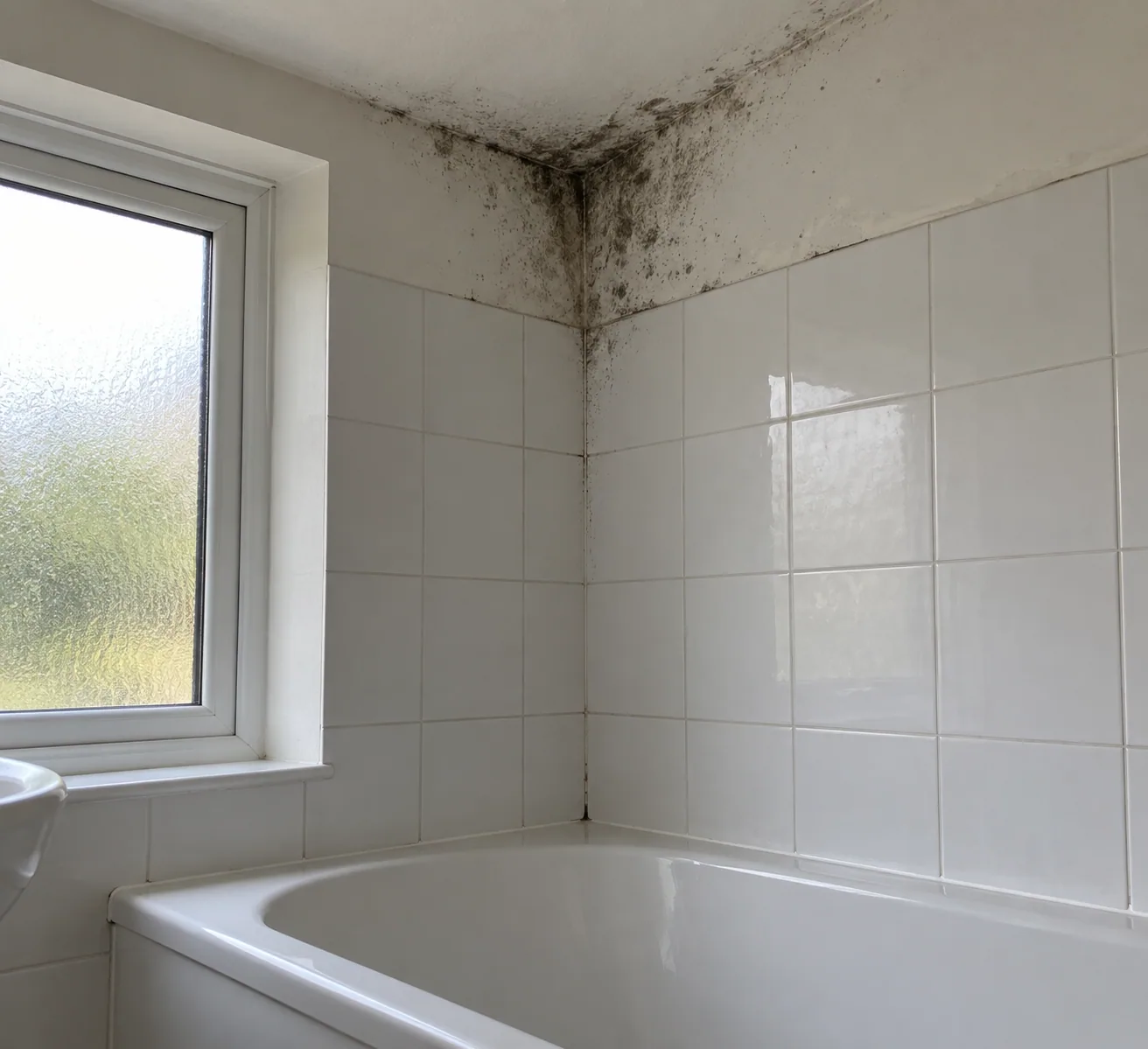
A sequential workflow controls airborne particulate, removes affected materials, and confirms moisture conditions before repairs begin.
We look for the moisture source, check adjacent areas, and outline what needs containment, removal, and cleaning. You get a written scope before work begins.
Depending on where the growth is, we set barriers and establish negative air pressure with HEPA filtration to keep work air from migrating into clean spaces.
When porous materials can't be salvaged, we remove them in a controlled way and bag out debris to limit dust and spore spread.
We clean exposed framing and hard surfaces, then HEPA vacuum and detail the area so residue and settled particulate are addressed.
If materials are damp, drying equipment may be used. We re-check moisture so the area is ready for repairs rather than being sealed while still wet.
We review what was done, what was removed, and what repairs are needed. If testing or third-party clearance is part of your plan, we coordinate the workflow around it.
Dallas mold remediation typically ranges from about $1,500 to $6,500 for many residential projects, with small, contained areas sometimes near $750 to $1,500 and larger or multi-room jobs running $7,500 to $15,000+ depending on demolition and rebuild needs.
Your price changes with the size of the affected area, how many materials must be removed, access, containment level, and whether the moisture source is still active. The exact cost is confirmed after an on-site inspection and a written scope.
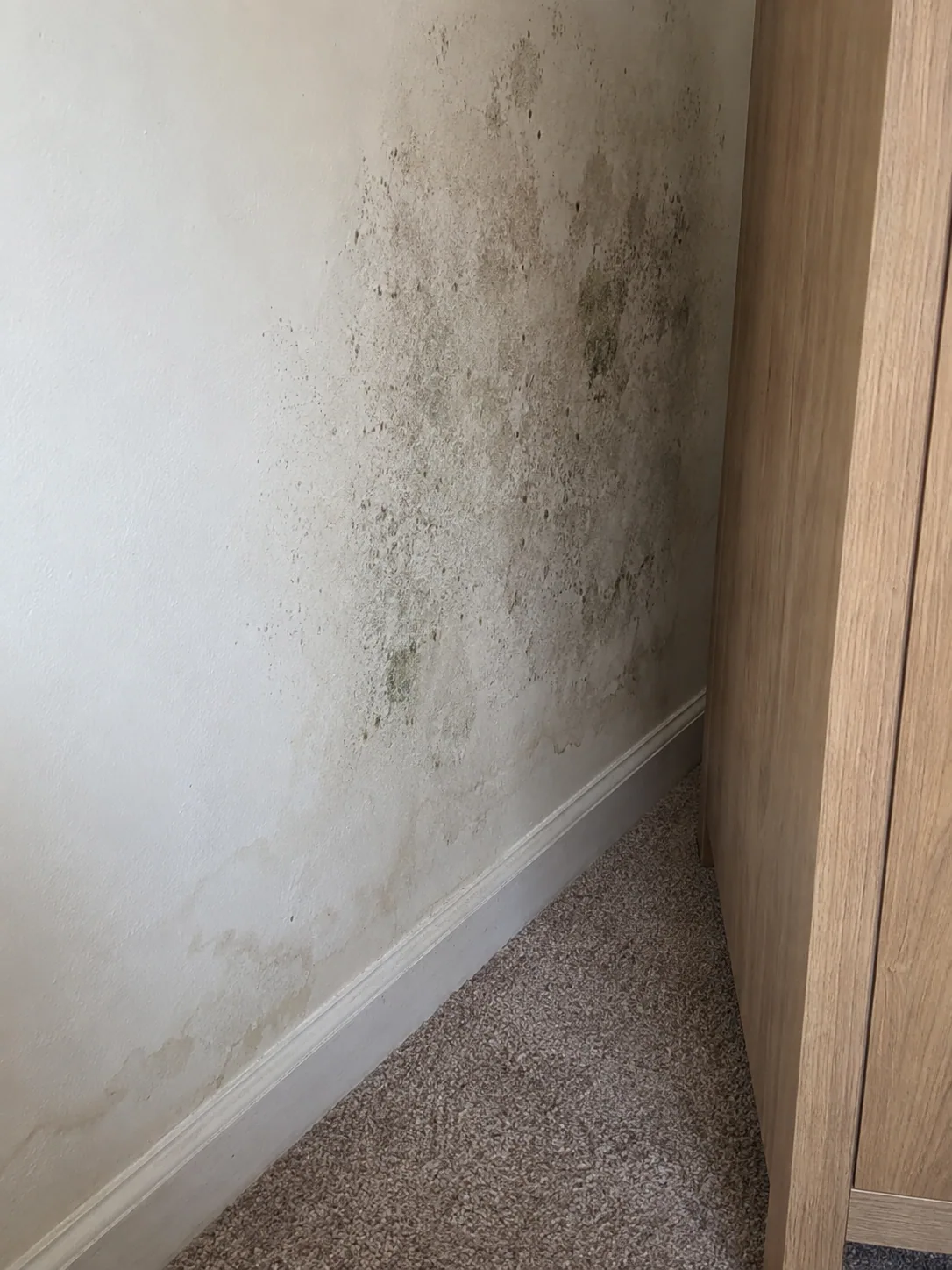
Homeowners describe an organized work zone and a clear explanation of what could be cleaned, what required removal, and when repairs could safely begin.
Start time depends on the size of the loss and whether containment materials and drying equipment need to be staged, but many jobs can begin quickly after an inspection and written scope. If there is active leaking, the priority is stopping the moisture source and stabilizing wet materials first so the remediation work is effective.
Drywall and insulation often need to be removed when mold growth is established because they are porous and can't be reliably cleaned through the full thickness. Non-porous and semi-porous materials, including some framing, concrete, and certain hard surfaces, are typically candidates for cleaning after controlled demolition exposes the impacted areas.
Containment is used when there is a risk of spreading spores and dust into clean areas, and negative air is added when the work conditions call for stronger air control. A small, isolated area may need a simpler setup, while multi-room work or projects near return air pathways usually require more robust containment.
Testing is optional and depends on your goals, the property type, and whether a third party is involved. Many owners choose an independent environmental professional for sampling and clearance because it provides separate documentation; we can coordinate the remediation workflow around that plan.
Mold typically returns when moisture is still present or returns later, such as a hidden plumbing drip, an incompletely repaired roof leak, or persistent high indoor humidity. It can also return if contaminated dust is not captured during removal and cleaning, which is why HEPA filtration, detailed cleaning, and moisture verification matter.
Coverage depends on your policy and what caused the moisture problem. Some policies cover mold resulting from a sudden, accidental water event, while ongoing seepage or long-term leaks may be handled differently. Document the source and affected materials during the inspection so you have clear information when speaking with your adjuster.
Tell us what you're seeing and what led up to it—leak, odor, visible staining, or recent repairs. We'll schedule an inspection in Dallas, define the containment and removal approach, and provide a written scope so you can make a confident decision.