Moisture mapping (not guesswork)
We measure and mark wet zones in floors, walls, and ceilings so drying targets the full footprint, including hidden spread behind trim and under flooring.
When water is still moving or materials are already wet, minutes matter. Our team finds the source, documents what happened, and dries the structure so you can prevent swelling, mold risk, and repeat damage.
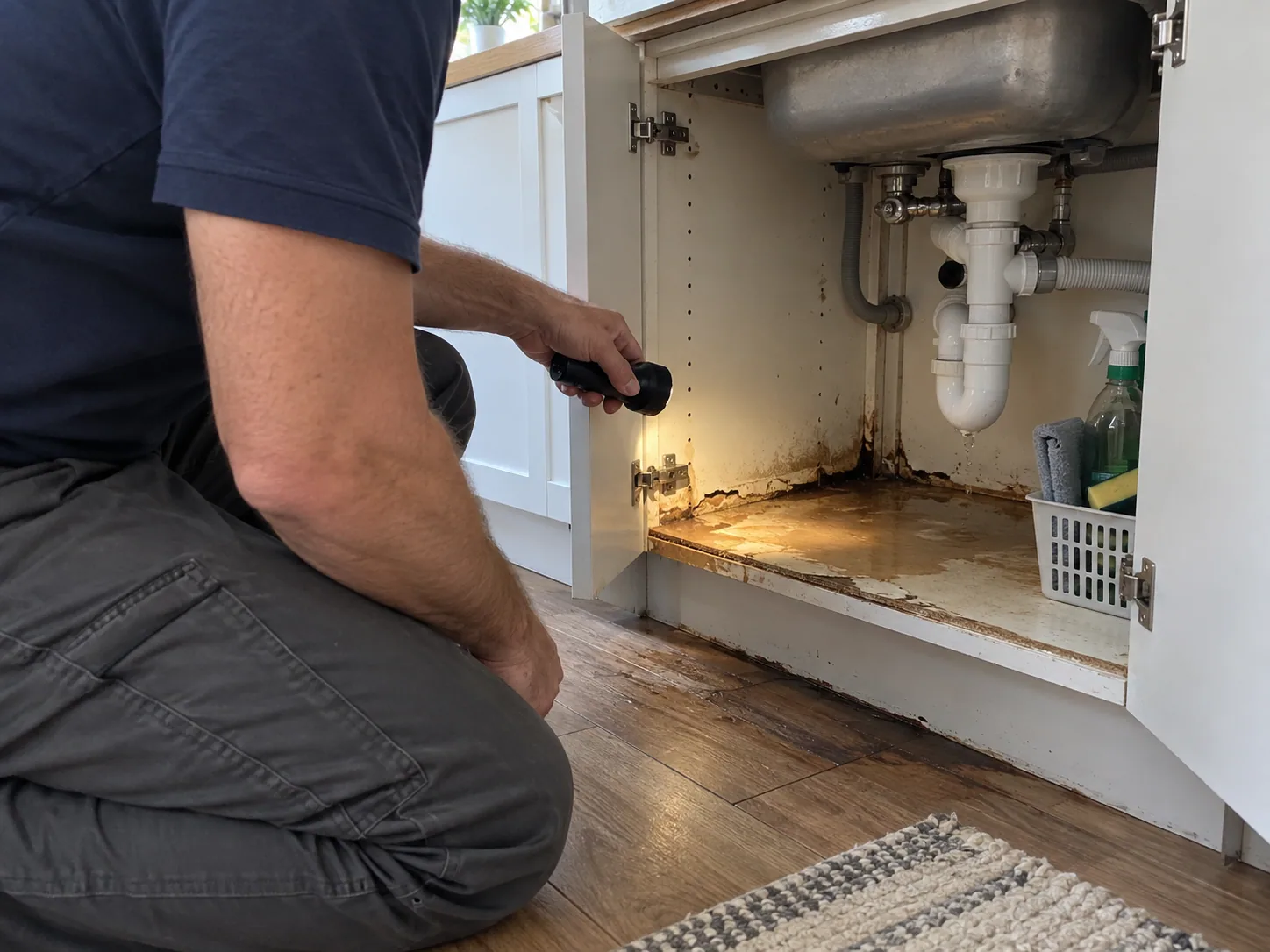
A Dallas water leak can look small at the surface and still soak framing, drywall, insulation, and subfloor. The first steps are simple and can protect the parts of the home you cannot see.
Dallas Water Damage handles restoration for water-affected rooms in Dallas, TX 75201, with a goal of stopping the spread, drying the structure correctly, and helping you make repair decisions with a clear scope. The standards are moisture mapping, controlled drying, documentation, and a realistic plan for materials that cannot be saved.
This is one part of our wider water damage restoration in Dallas service, covering homes and commercial property across the Dallas and North Texas area.
Restoring a water-leak loss is more than pulling up wet carpet. Done correctly, the work is guided by measurements and drying goals.
We start with a walkthrough to identify the water source and the path it traveled—for example, behind a vanity, through a wall cavity, under floating floors, or down a chase into a lower level. We then moisture-map the footprint and mark affected materials so drying is focused and efficient.
From there, we set up equipment based on what is wet: air movers for evaporation, dehumidifiers to remove moisture from the air, and containment when needed to keep dust and microbial particles from spreading during removal of damaged materials. Drying progress is checked with moisture meters and documented until materials reach a stable, dry condition appropriate for rebuilding.
If the leak involved a supply line or appliance, water can move quickly under baseboards and into adjacent rooms. If it was a drain or overflow, extra cleaning steps may be required before drying continues. For broader help beyond leak-specific losses, many clients start with water damage restoration to understand the full range of water-related scenarios we handle.
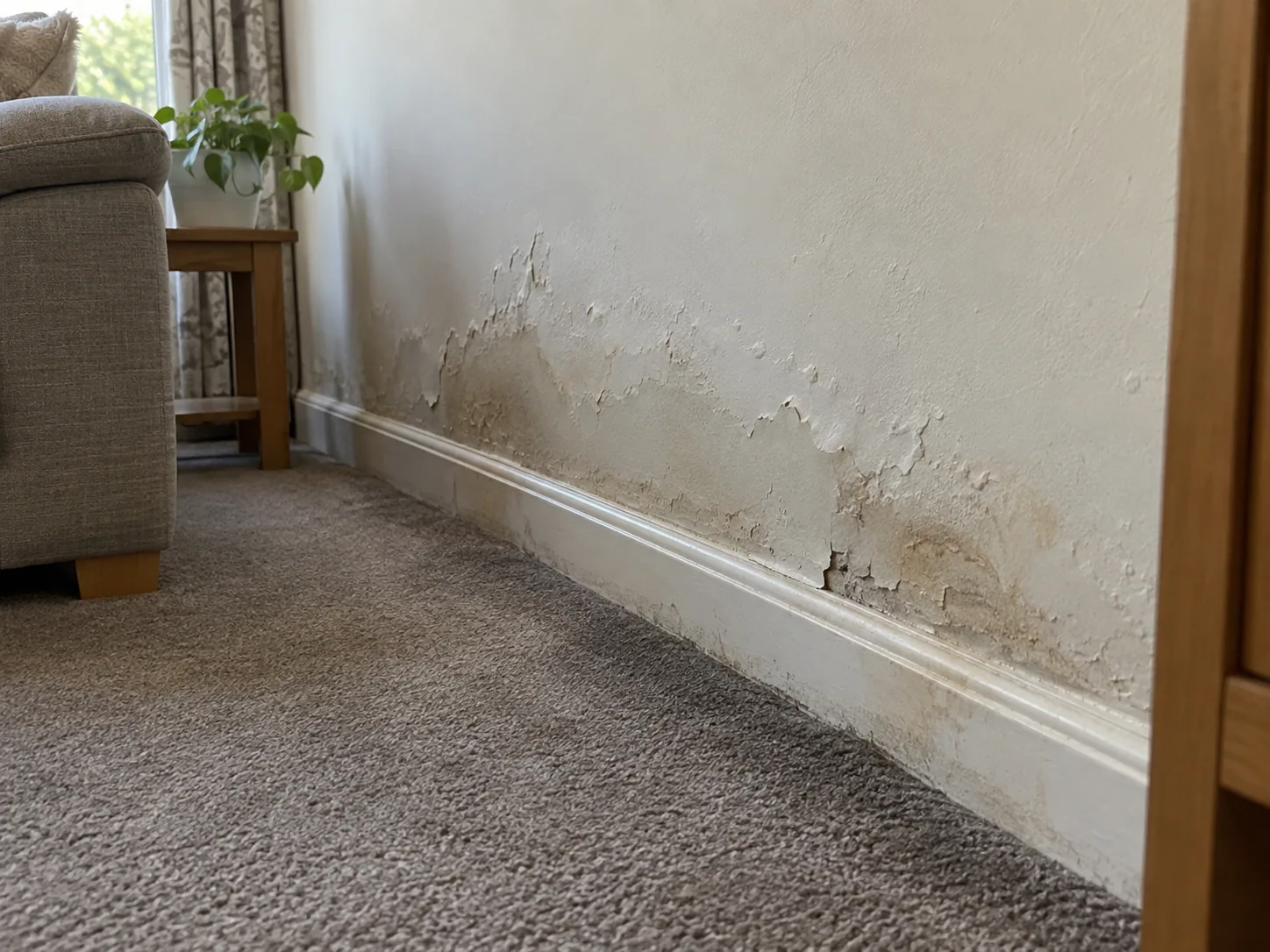
We measure and mark wet zones in floors, walls, and ceilings so drying targets the full footprint, including hidden spread behind trim and under flooring.
Airflow and dehumidification are sized to the room volume and the wet materials, then adjusted as readings change during the dry-down.
When removal is needed, we isolate dusty areas and handle wet drywall, insulation, and trim in a way that keeps the rest of the home usable.
Photos, readings, and a written scope help you understand what can be saved versus what should be removed before repairs start.
We dry to a stable condition so new paint, flooring, and trim are not installed over trapped moisture that can cause future issues.
Leak patterns are often shaped by building type. In and around Downtown, Uptown, and Oak Lawn, condo and townhome layouts can allow water to travel through shared walls, ceiling cavities, and plumbing chases before it shows up on a neighbor's ceiling.
In Lakewood and East Dallas, older homes may have layered renovations, multiple flooring transitions, and older plumbing runs that let water migrate under tile or hardwood before staining appears. In North Dallas, slab-on-grade construction is common; when water gets under flooring on a slab, drying may require more time and careful humidity control to protect finishes.
If you suspect a leak but cannot see active water, restoration still starts with verification and mapping. A small stain can sit far from the actual wet materials.
A measured workflow follows the water path, exposes trapped moisture when necessary, and confirms dry conditions before repairs begin.
We identify the affected rooms and likely migration paths, take photos, and set a plan for protecting flooring, contents, and adjacent spaces.
We measure moisture in drywall, trim, subfloor, and framing where accessible, then define what should dry versus what should be removed.
Standing water is extracted. If materials are swollen, delaminated, or cannot be cleaned, we remove only what is necessary to expose wet cavities and speed drying.
Air movers and dehumidifiers run continuously, and we adjust placement based on readings until materials reach a stable dry state suitable for repairs.
We confirm dry conditions, provide documentation, and outline repair items like drywall patching, baseboard replacement, flooring transitions, and repainting as appropriate.
Dallas water leak restoration typically ranges from about $900 to $3,500 for a contained, clean-water leak with drying, and can run $4,000 to $12,000+ when water spreads across multiple rooms or requires demolition and rebuild steps.
Final price depends on how long materials stayed wet, how far water traveled under flooring or into wall cavities, the type of water involved, equipment time, and how much drywall, trim, or flooring must be removed and replaced. The exact cost is confirmed after an onsite inspection and moisture mapping.
You should start as soon as you can safely stop the water because wet drywall, baseboards, and flooring can begin to swell and trap moisture quickly. The sooner drying starts, the more likely you can limit removal and keep the affected area smaller, especially when water has moved under floating floors or behind trim.
Sometimes, yes, but only when moisture readings show the cavity and materials can realistically dry in place. If drywall is saturated, insulation is wet, or water is trapped under multiple flooring layers, selective removal is often the fastest way to prevent lingering moisture and reduce the chance of odor or microbial growth.
Clean-water leaks are typically from supply lines and may allow more materials to be saved if addressed quickly, while contaminated water, like sewage backup or certain drain overflows, usually requires more aggressive removal and sanitation. The category of water changes the cleaning steps, disposal requirements, and sometimes the scope of what must be removed.
Yes, documentation is part of a professional restoration job, and we record photos and moisture readings to support the scope. Insurance coverage depends on the policy and cause of loss, but clear notes on affected materials and drying progress can help the claim process move with fewer disputes.
Visible water can be gone while structural materials remain wet, especially inside wall cavities, under baseboards, and beneath flooring. Dehumidifiers and air movers remove moisture from materials over time, and readings guide when the space is actually dry enough for repairs.
Yes, and coordination matters because leaks in multi-unit buildings can involve shared plumbing, access rules, and neighboring units. We can document the affected area, communicate the restoration needs, and time drying or removal work to fit building requirements while limiting disruption.
Tell us what happened and what areas are wet. We will assess the damage, explain what needs to dry versus what needs to be removed, and provide a written plan that fits your home or condo in Dallas.