Actionable reporting
You receive a straightforward summary of findings, photos, sampling locations, and practical next steps, written so a property owner, buyer, or contractor can use it.
If you smell something musty, see staining, or recently had a leak, we provide clear testing, photo documentation, and an easy-to-follow report so you can decide what to do next with confidence.
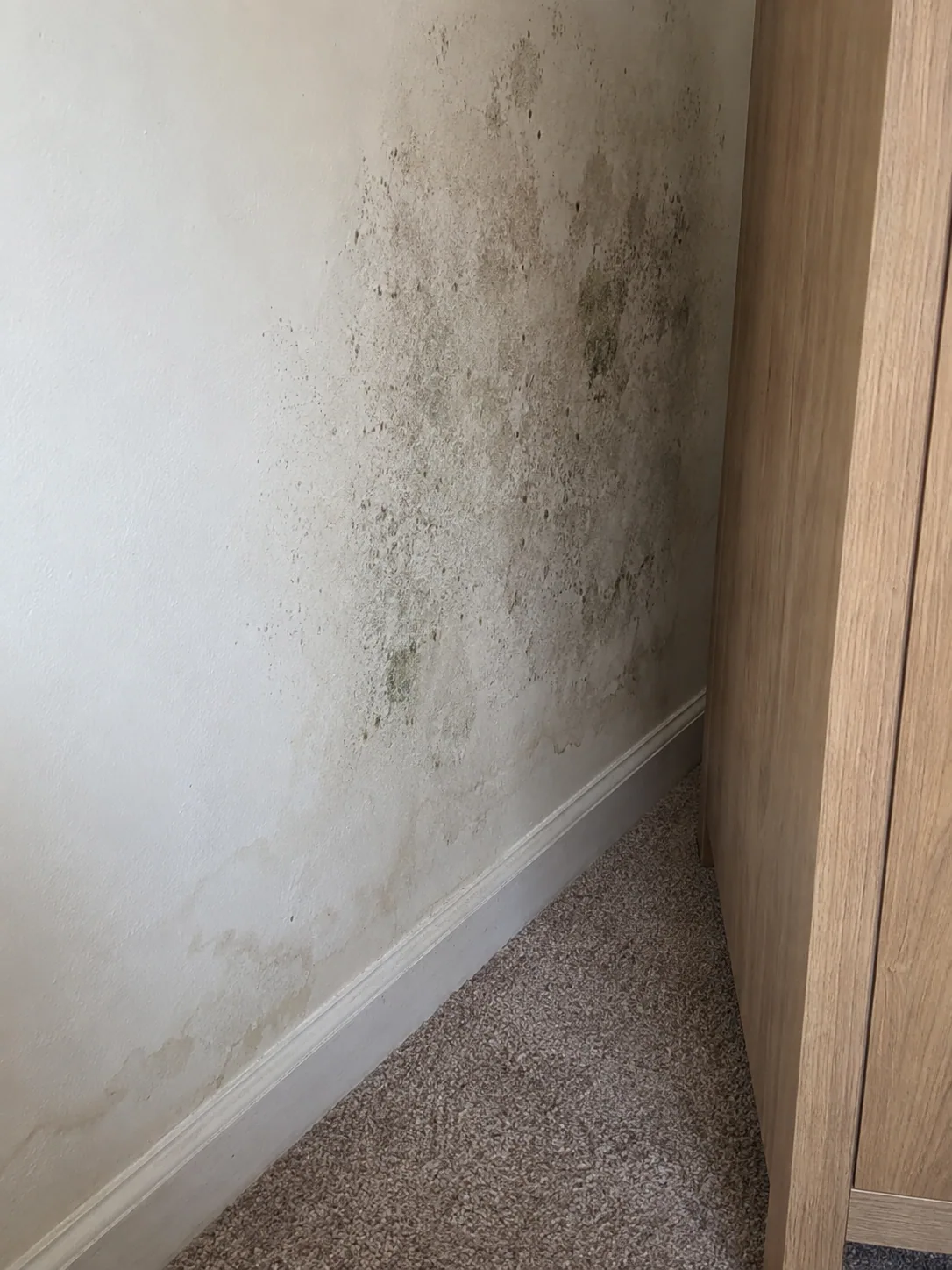
Searching for mold inspection Dallas usually means one of three things is happening: a water event you can point to, a persistent odor you cannot, or a real estate deadline that will not wait. In Dallas, indoor humidity swings and strong A/C use can hide moisture problems until you see bubbling paint, warping baseboards, or dark spotting around supply vents.
Common reasons to schedule an inspection:
Dallas Water Damage focuses this visit on one thing: determining whether mold is present, where conditions support growth, and what needs to happen next for cleanup to be effective.
This is one part of our wider water damage restoration in Dallas service, covering homes and commercial property across the Dallas and North Texas area.
A mold inspection is a fact-finding visit with a written record. We start with a walkthrough to understand the timeline, water sources, and any prior repairs. Then we document areas of concern, look for building-science clues—condensation patterns, failed caulk joints, and wet building materials—and measure moisture where it matters.
Typical inspection components:
What a mold inspection does not include is removal or treatment of mold. If remediation is needed, the inspection results help define the containment, cleaning, and material removal scope so you are not guessing.
If the mold growth is connected to a prior leak or ongoing moisture issue, the findings can also help coordinate drying, monitoring, and repairs alongside moisture control.
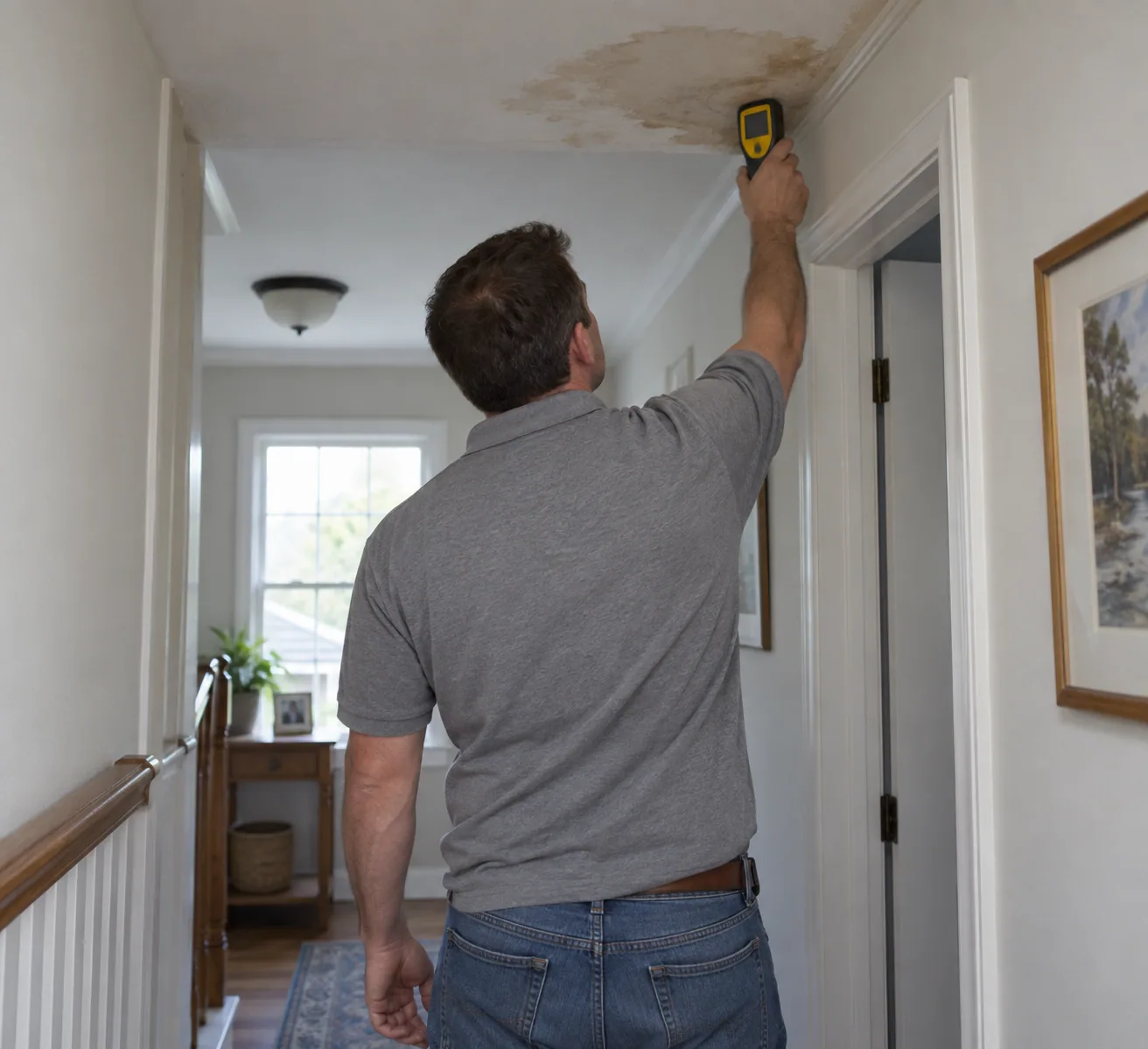
You receive a straightforward summary of findings, photos, sampling locations, and practical next steps, written so a property owner, buyer, or contractor can use it.
We do not treat every job like a lab exercise. If sampling is appropriate, we explain what it can and cannot tell you and choose the right mix of air and surface tests.
Mold follows moisture. We focus on likely sources such as plumbing penetrations, shower surrounds, window perimeters, and HVAC condensation so the problem does not return.
From single-family homes to tenant spaces, we document conditions clearly so decisions about maintenance, remediation, or tenant coordination are easier.
When timing matters, we keep the process organized: consistent sampling notes, labeled photos, and a report format that is easy to share with agents, buyers, or property managers.
A documented sequence connects what you have noticed with moisture conditions, targeted sampling when useful, and clear next-step guidance.
We gather basic details about the building type, what you have noticed—odor, staining, or symptoms—and any known water events so the inspection time and tools match the situation.
We inspect the areas you are concerned about and adjacent zones where moisture migrates. Moisture readings help distinguish an old stain from an active problem that needs immediate attention.
If testing will improve decision-making, we collect air and/or surface samples with documented locations and chain-of-custody handling. We also note environmental conditions that can affect interpretation.
You get a plain-language explanation of what we observed and what it likely means: whether to correct a moisture source, open a cavity for confirmation, or move directly to professional remediation.
We provide a clear report with photos, moisture notes, sampling details, and recommendations so you can request comparable scopes if remediation is needed.
Mold inspection in Dallas typically ranges from about $250 to $750 for most homes, depending on the size of the property and how much testing is needed. A basic visual assessment with moisture checks is usually on the lower end, while inspections that include multiple air samples, surface samples, or larger multi-room layouts trend higher.
Your final price depends on square footage, number of suspected areas, accessibility—such as attic or crawl access and vaulted ceilings—and whether you need documentation for a real estate transaction. Exact pricing is confirmed after we understand the property and the scope at scheduling and during the on-site inspection.
Two Dallas realities shape good inspections: A/C-driven condensation and fast-moving storm water. Condensation issues often show up around supply registers, in closets on exterior walls, and in bathrooms with weak exhaust. Water intrusion tends to show up around windows, roof penetrations, and ceiling drywall after heavy rain.
We also tailor the approach to the property type. Condos and townhomes can have shared walls and stacked plumbing that complicate the moisture trail, while older homes with multiple renovations may hide prior leaks behind newer finishes.
With a mix of older homes and remodels, we pay close attention to transitions between old and new materials and any history of previous repairs.
Multifamily units can involve leaks from above or an adjacent unit, making location notes and moisture mapping especially important.
Larger homes commonly have multiple HVAC zones and more attic area, which changes where condensation and duct issues can appear.
If your concern is tied to a specific water event, pairing an inspection with a plan for drying and repairs helps prevent repeat growth. Clarifying the source and remaining moisture makes it easier to build an effective cleanup and repair plan.
If you have visible growth and a known moisture source, a visual inspection with moisture mapping may be enough to define next steps, but testing helps when the concern is odor, unclear staining, or you need documentation for real estate or a landlord-tenant situation. In Dallas homes, hidden moisture in wall cavities and around HVAC components is common enough that moisture readings often guide whether sampling adds value.
Most mold inspections take about 60 to 120 minutes on site for a typical home, and longer for large homes or commercial spaces with multiple suspected areas. The time mainly depends on how many rooms need moisture checks and whether sampling is collected and documented.
We can identify conditions consistent with hidden mold by combining moisture readings, odor patterns, and building details, but we cannot confirm the exact extent behind a sealed cavity without access. When the signs point to a concealed problem, we recommend the least-invasive access approach so confirmation is based on evidence, not guesses.
Yes, we can inspect individual units, and we document observations in a way that helps coordinate with a property manager when shared plumbing or adjacent units may be involved. For multifamily buildings, we also note location context—unit level, nearby wet walls, and HVAC closet placement—because it can affect how moisture moves.
Do not spray bleach or antimicrobial products right before the visit, and avoid running air purifiers near suspected areas on the day of inspection if possible. If you recently had HVAC filters changed or heavy cleaning, tell us so we can interpret observations and any air sampling with that context.
We provide inspection findings and next-step guidance so remediation can be properly scoped, including what to remove, what to clean, and what moisture source must be corrected. If the underlying issue involves recent water intrusion or drying needs, our team at Dallas Water Damage can also discuss how that work is typically sequenced with cleanup so the area stays dry after remediation.
Tell us what you are seeing or smelling and where it is happening. We will schedule a mold inspection, document what is going on, and give you a report you can use to plan the next step with confidence.