Water extraction and controlled removal
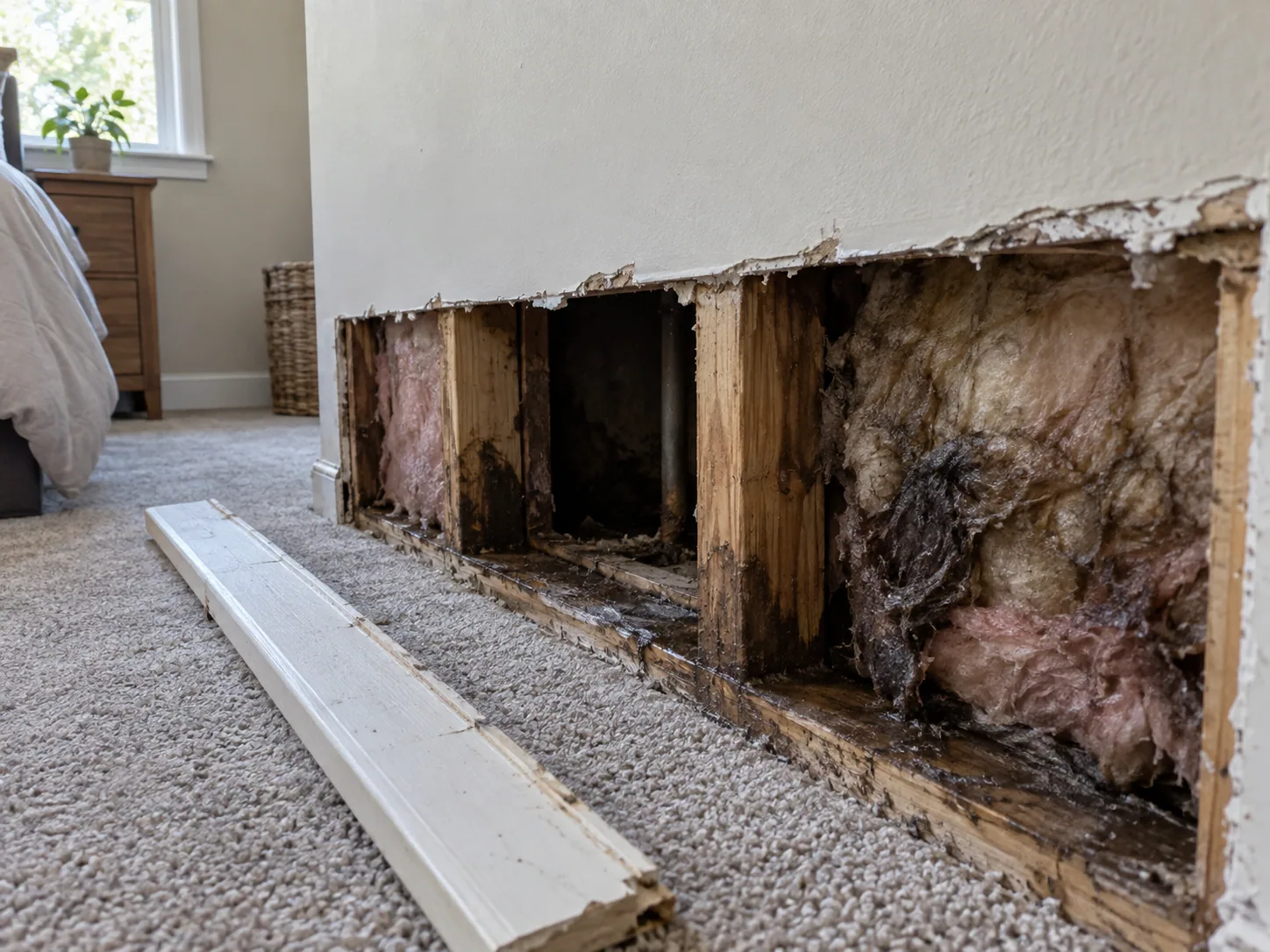
Rapid removal of standing water, plus selective removal of wet drywall, baseboards, carpet pad, or damaged flooring when drying in place is not realistic.
When water gets into floors, drywall, or cabinets, time matters. Our crew responds fast with commercial extraction and drying to limit damage and get your property stable again.
If you are searching for water mitigation Dallas TX, you are probably dealing with a leak, overflow, or indoor flooding that needs action now. Water mitigation is the work that stops the loss and controls moisture: extracting standing water, removing wet materials when needed, setting drying equipment, and monitoring until target moisture levels are reached.
Dallas Water Damage handles water mitigation in Dallas for residential and commercial properties. We focus on protecting the parts of the building you cannot see, like moisture trapped under flooring, behind baseboards, inside wall cavities, and around cabinets. That hidden moisture is what leads to swelling, odors, and microbial growth if it is not dried correctly.
Many mitigation decisions are time-sensitive. The longer water sits, the more it spreads through seams, nail holes, and insulation. A prompt site visit lets us map the affected areas, build a drying plan, and document conditions so you have a clear scope before work starts.
This is one part of our wider water damage restoration in Dallas service, covering homes and commercial property across the Dallas and North Texas area.
Rapid removal of standing water, plus selective removal of wet drywall, baseboards, carpet pad, or damaged flooring when drying in place is not realistic.
Commercial air movers and dehumidifiers placed for airflow and vapor pressure control, then adjusted as materials dry so equipment matches conditions.
Moisture readings guide where to open cavities, how long to dry, and when the structure is back to an acceptable dry standard.
Plastic containment and negative air can be used when disturbance is unavoidable, with practical cleanup steps to keep the work area safe and tidy.
Photos, equipment logs, and notes on affected materials so you can make informed decisions and keep a clean paper trail.
When mitigation is complete, we explain what is dry, what was removed, and what rebuilding steps remain so there are no loose ends.
Effective water mitigation is more than placing fans. Our process starts by identifying the water source (clean water, gray water, or black water) because that affects safety steps and what materials can be saved. We then map the moisture spread using meters and, when appropriate, thermal imaging to find wet areas under flooring and behind walls.
In Dallas, mitigation calls range from high-rise condo leaks downtown to slab-on-grade homes where water can move along the edges of rooms and into adjacent spaces. In areas with older housing stock like Lakewood and parts of East Dallas, we also stay alert for materials that require extra care during removal.
Drying is managed as a system: airflow, temperature, and dehumidification must work together. We place equipment to create purposeful circulation, protect finished surfaces, and prevent humid air from re-wetting materials. As conditions change, we adjust equipment counts and placement based on readings instead of guessing.
If your situation escalates into a full recovery job, our team also handles water damage restoration so you can keep the same point of contact from mitigation through completion.
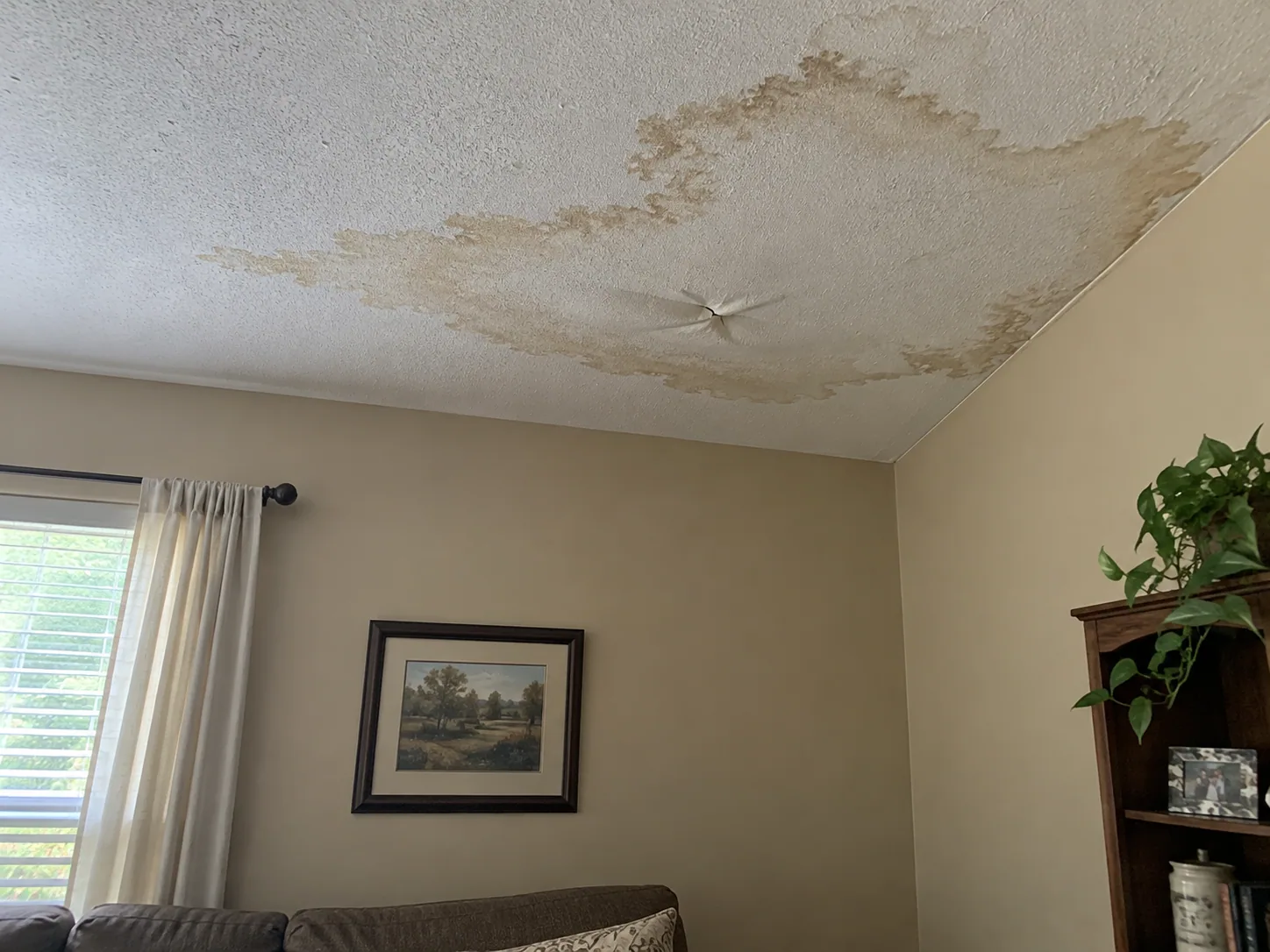
A measured workflow removes standing water, controls hidden moisture, and confirms dry conditions before repairs begin.
We identify the source category, check for electrical and slip hazards, and set basic protections for flooring, corners, and traffic paths.
We remove standing water first, then make tight, clean openings only where necessary to access trapped moisture and speed drying.
Air movers, dehumidifiers, and specialty drying tools (like floor drying systems) are placed to match the materials and the way the water migrated.
We track moisture content and humidity daily (or on an agreed schedule) and adjust equipment until targets are met.
We confirm dry conditions, remove equipment, and provide a clear summary of what was affected, what was removed, and what repairs remain.
Water mitigation in Dallas typically ranges from about $900 to $4,500 for common residential losses, with larger or more contaminated situations running higher. A small, localized leak with minimal removal often lands at the low end, while multi-room drying with baseboard or drywall removal and several days of monitoring costs more.
Final price depends on the amount of standing water, how far moisture spread (including under floors), the water category, ceiling height and access, required containment, and how many days equipment must run. Exact pricing is confirmed after an on-site inspection and moisture mapping.
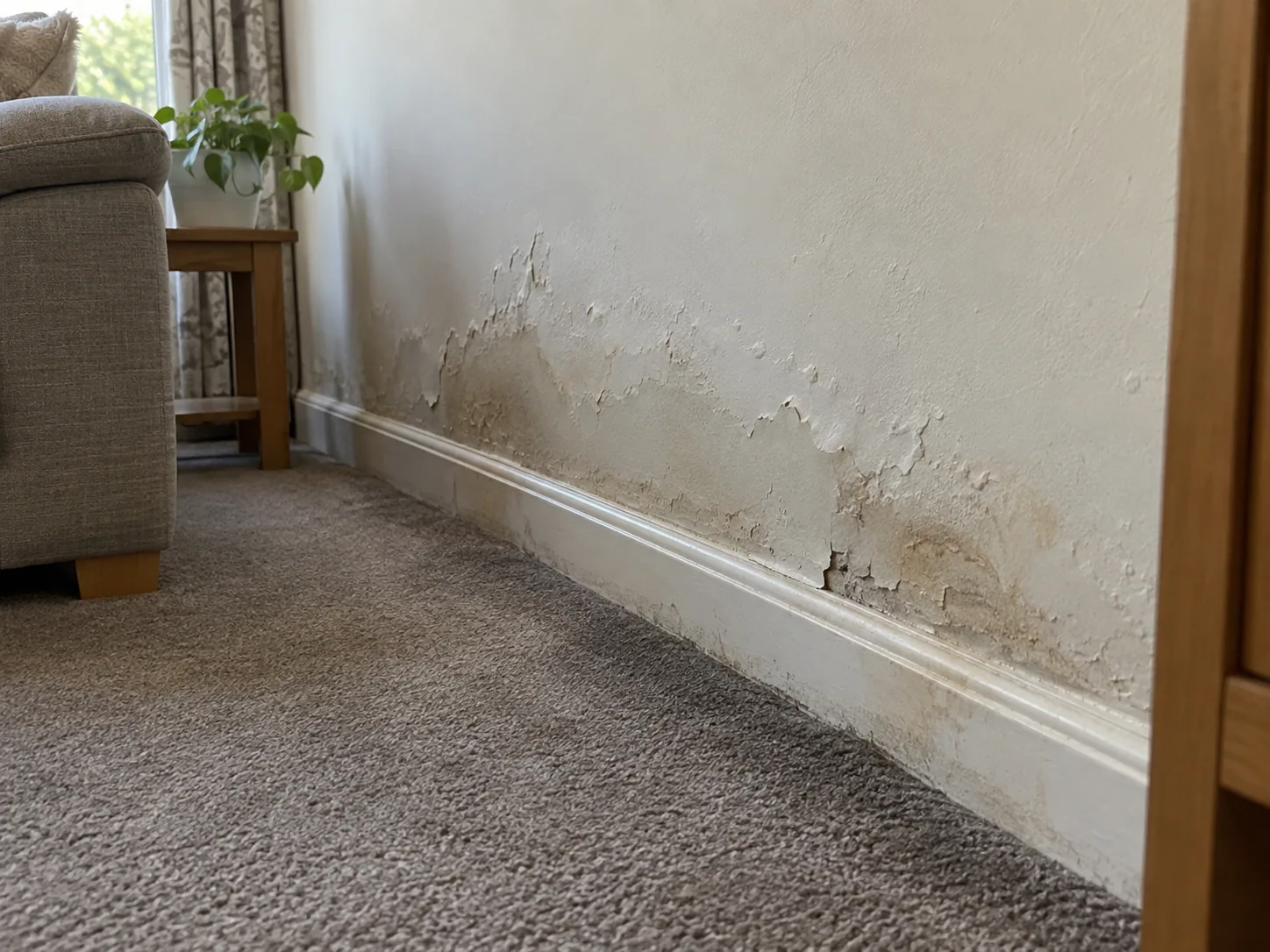
Water mitigation should start as soon as it is safe to enter the area because water spreads quickly into porous materials and hidden cavities. Even when the visible water looks minor, moisture can move under baseboards, beneath floating floors, and into drywall seams, which increases the amount of removal and drying time later.
Yes, sometimes mitigation can be completed with drying in place, but only when moisture readings show the materials can dry to target levels without trapping water. If insulation is saturated or water is wicking up drywall, selective removal is often the fastest way to prevent lingering moisture and reduce the risk of odors or microbial growth.
Water mitigation focuses on stopping the loss and drying the structure, while restoration focuses on repairs and rebuilding after the area is dry. Many Dallas property owners start with mitigation first, then decide on repair scope; our restoration services pick up once drying is verified.
Yes. Commercial water mitigation often needs faster stabilization, careful containment, and equipment placement that keeps pathways and exits usable. We coordinate the drying plan around business hours and access constraints while still meeting drying targets.
Yes, we document conditions with photos, moisture readings, and a record of equipment and drying days. That documentation helps support the scope and explains why certain materials were removed or why drying needed additional time.
Shut off the water source if you can do it safely, and avoid using outlets or appliances in wet areas. If it is safe, move small items off wet floors and place aluminum foil or plastic under furniture legs to reduce staining, but avoid pulling up flooring or cutting drywall until moisture mapping is done so the drying plan stays accurate.
Tell us what happened and what areas are affected. We will assess the moisture spread, explain the drying plan in plain language, and provide a written scope so you can move forward with confidence.