High-volume water removal
Submersible pumps for deep standing water and high-power extraction for carpets and pads remove as much water as possible before drying starts.
When water is standing on floors or soaking into drywall, minutes matter. Dallas Water Damage responds 24/7 with commercial pumps, vacuums, and drying equipment to remove water fast, protect materials that can be saved, and get your property moving toward normal again.
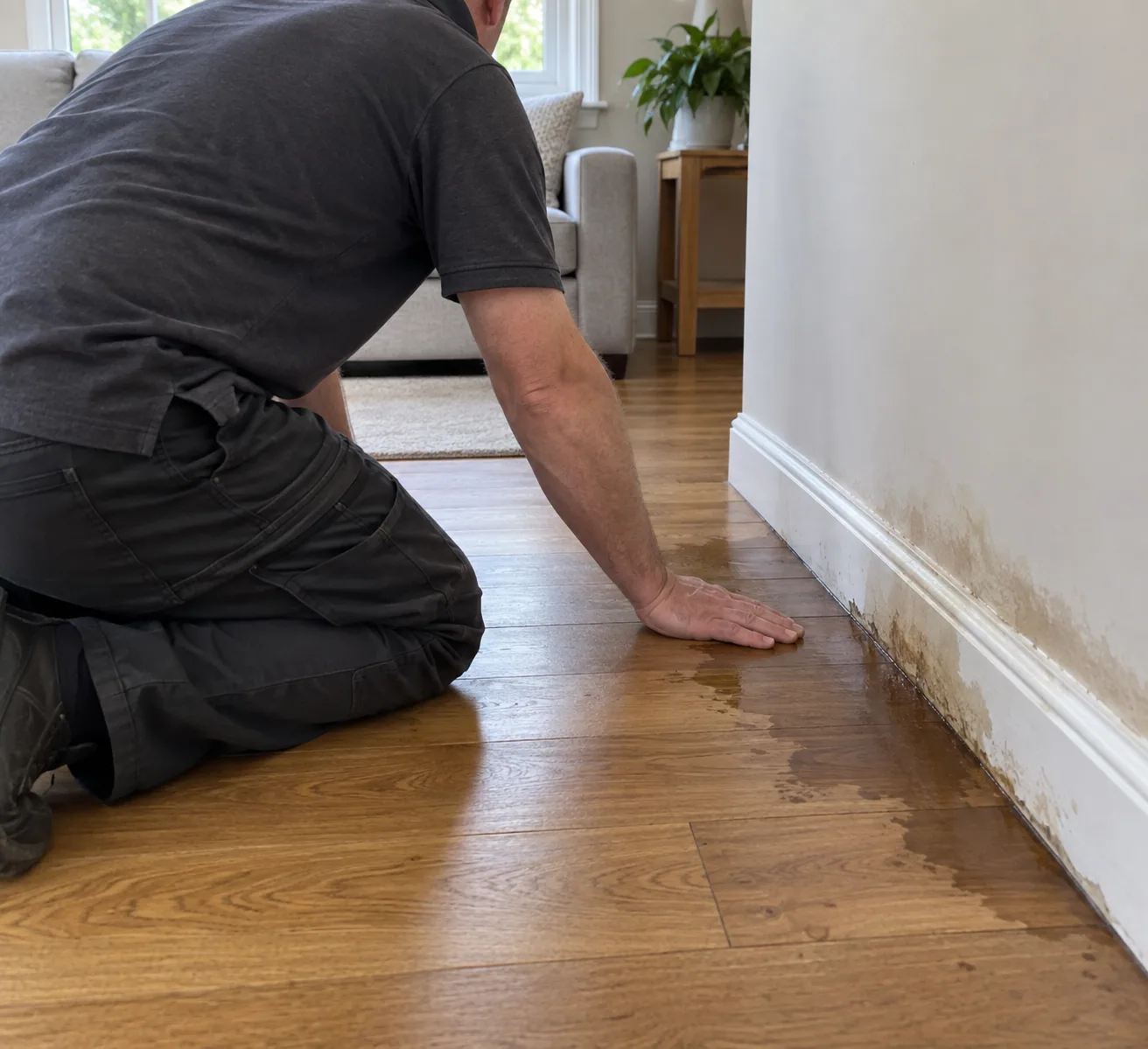
If you searched for water extraction Dallas, you are likely dealing with water you can see—puddles, wet carpet, and soaked baseboards—and water you cannot, including moisture behind trim, under flooring, and inside wall cavities. The goal is simple: remove bulk water quickly, then dry the structure to a verified target so materials do not keep deteriorating.
In Dallas, water loss problems often spread fast because many properties have multiple flooring transitions, and water can migrate under baseboards and into adjacent rooms. Prompt extraction reduces how far moisture wicks, helping preserve flooring, cabinetry, and drywall where possible.
Dallas Water Damage focuses this service on the work that stops the bleeding: water removal, controlled drying, and documentation of moisture conditions. Our team also handles water damage restoration as part of the overall recovery process.
This is one part of our wider water damage restoration in Dallas service, covering homes and commercial property across the Dallas and North Texas area.
Submersible pumps for deep standing water and high-power extraction for carpets and pads remove as much water as possible before drying starts.
Moisture meters and thermal imaging help identify wet areas under flooring, at wall bottoms, and around penetrations so drying is aimed where it counts.
Air movers, dehumidifiers, and containment as needed dry materials evenly and reduce the chance of secondary damage.
Depending on condition, carpet can be extracted and lifted for under-drying, or removed when padding and tack strips are compromised.
Basic site protection includes moving light furniture, blocking off wet areas, and monitoring equipment placement to reduce disruption and safety risks.
You get a straightforward plan of what is wet, what is being dried, and what the next decision points are as conditions change.
Effective extraction is not one tool; it is the right tool at the right stage.
For heavy standing water, we typically start with submersible pumps or a high-flow extractor to remove the bulk quickly. For wet carpet and pad, we switch to weighted extraction wands and portable extractors to pull water out of the fibers and backing. For hard surfaces and tight areas, we use squeegee wands and detail extraction to keep water from continuing to migrate.
After water removal, drying is where many projects are won or lost. We set air movers to push airflow across wet materials, then pair that airflow with dehumidification to remove moisture from the air. We confirm progress with moisture readings, not guesswork.
You will also get practical guidance on what to do right away: keep people out of slick areas, avoid running HVAC if it is pulling humid air into the space, and do not plug equipment into outlets that may have been affected by water.
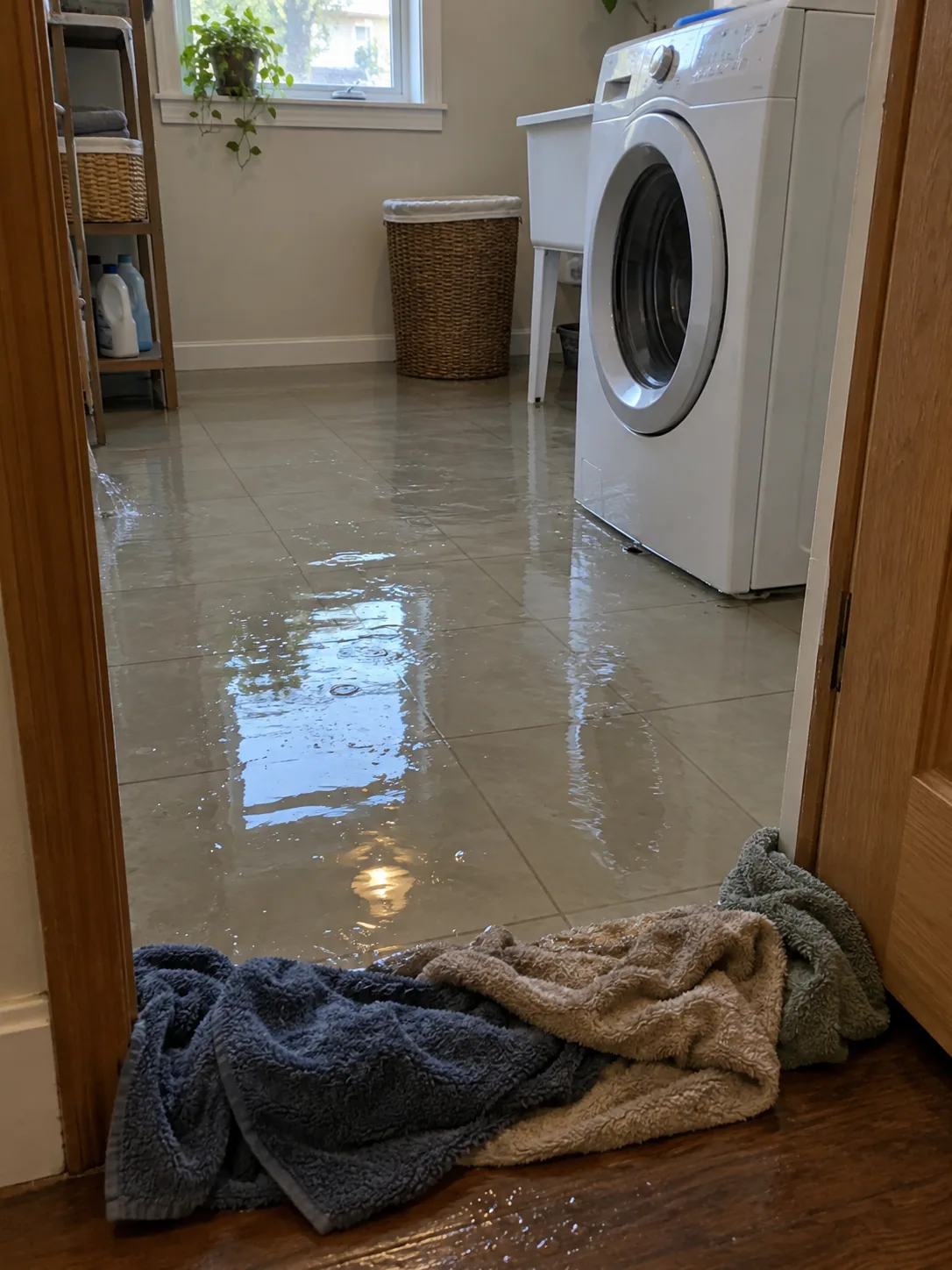
A sequential response removes bulk water first, focuses drying where moisture has traveled, and uses readings to guide each next step.
We confirm the source category at a practical level—clean supply line, appliance leak, rain intrusion, or sewer backup—and flag immediate hazards like electrical risk, ceiling sag, or contaminated water.
We block off wet areas, protect pathways, and address active flow when possible so moisture does not keep traveling into dry rooms.
Pumping and extraction remove as much water as possible first. This shortens the drying timeline and reduces how much material stays saturated.
We place air movers and dehumidifiers based on the affected materials and layout. In some cases, we use containment to keep drying focused and efficient.
We check moisture levels and adjust equipment and airflow patterns as readings change. Drying decisions are based on measurements, not appearance.
Once conditions stabilize, we outline what can be saved, what may need removal, and what the realistic timeline looks like for returning the area to service.
Water extraction in Dallas typically ranges from about $400 to $1,500 for a small, contained area with limited standing water and straightforward drying setup, while larger multi-room losses with more equipment and monitoring often run $1,500 to $4,500+.
Your final price depends on how much water is present, how far it spread—including under flooring—the category of water, access to affected areas, and how many days of drying and monitoring are needed. Exact pricing is confirmed after an on-site inspection and moisture mapping.
Standing water is the obvious problem, but hidden moisture is usually what drives the scope.
Drywall and trim can wick moisture upward quickly. We check the first 12 to 24 inches and adjacent corners.
Water can travel under the surface without showing much on top.
Even when carpet feels only damp, the pad can be saturated and keep feeding moisture back.
Kitchen and vanity bases trap moisture, while water follows seams, thresholds, and low spots into areas beyond the visible wet zone.
In Lakewood and Oak Cliff, subfloor types and past remodels can change migration paths. In Uptown, shared walls and stacked units can mean more than one space is affected. Around Preston Hollow, larger footprints can hide longer migration paths across multiple rooms, making moisture mapping essential before assuming damage is limited.
We are available 24/7 and prioritize active water situations where standing water or rapid spread is present. The sooner extraction begins, the less moisture has time to wick into drywall, cabinetry, and flooring seams, which can reduce the overall scope of drying and repair.
Extraction removes bulk water, but drying equipment is usually still needed because building materials hold moisture after visible water is gone. Air movers and dehumidifiers help dry subfloors, wall bottoms, and framing to verified moisture targets so the area does not stay damp behind surfaces.
Often, yes, if the water is clean and the response is quick, but the carpet pad is the deciding factor in many cases. We assess contamination risk and how saturated the pad and tack strip are, then recommend extraction and under-drying or removal based on condition and readings.
Contaminated water changes the scope because porous materials that contacted it often require removal and controlled handling. We will explain what needs to be discarded versus cleaned, and we will set up containment and protective procedures appropriate to the level of contamination.
Most drying takes several days, but the real timeline depends on material type, how long the water sat, and whether moisture is trapped under floors or inside wall cavities. We use moisture readings to confirm progress and adjust equipment placement as conditions change.
Yes, we can provide documentation commonly requested during water damage claims, such as moisture readings, drying logs, and a clear scope of what was affected. Coverage depends on your policy and the source of the water, so we focus on accurate documentation and a defensible plan.
Tell us what happened, what areas are wet, and whether water is still active. Dallas Water Damage will lay out the fastest extraction approach, the drying plan, and the next steps to protect your Dallas property.